How Can AI Help Small Businesses? Benefits, Use Cases & Growth Guide 2026


Create engaging, high-performance mobile applications tailored to your business needs. We craft future-ready apps that offer smooth user experiences on all devices.
Build robust and scalable websites and CMS platforms that help you manage content effortlessly. Our development ensures a seamless digital presence.
Launch secure, feature-rich online stores with intuitive shopping experiences. We build tailored eCommerce platforms designed for growth.
Design captivating games with immersive gameplay and stunning graphics. From concept to launch, we build engaging experiences that players love.
Enhance your customer relationships with customized Salesforce implementations. Drive growth and efficiency with smarter CRM solutions.
Harness artificial intelligence and machine learning to automate workflows and gain actionable insights. Our AI transforms data into smart decisions.
Accelerate your software delivery lifecycle with continuous integration, delivery, and infrastructure automation to boost efficiency.
Hire app developers ready to turn your ideas into sleek, high-performing mobile apps for any platform.
Bring in frontend pros who craft smooth, beautiful, and user-friendly interfaces that your visitors will love.
Get backend developers who build fast, secure, and reliable systems to keep everything running behind the scenes.
Hire eCommerce developers who build secure, scalable online stores designed to offer seamless shopping and grow your sales.
Get dedicated developers committed to your projects, delivering consistent quality and speed as an extension of your team.
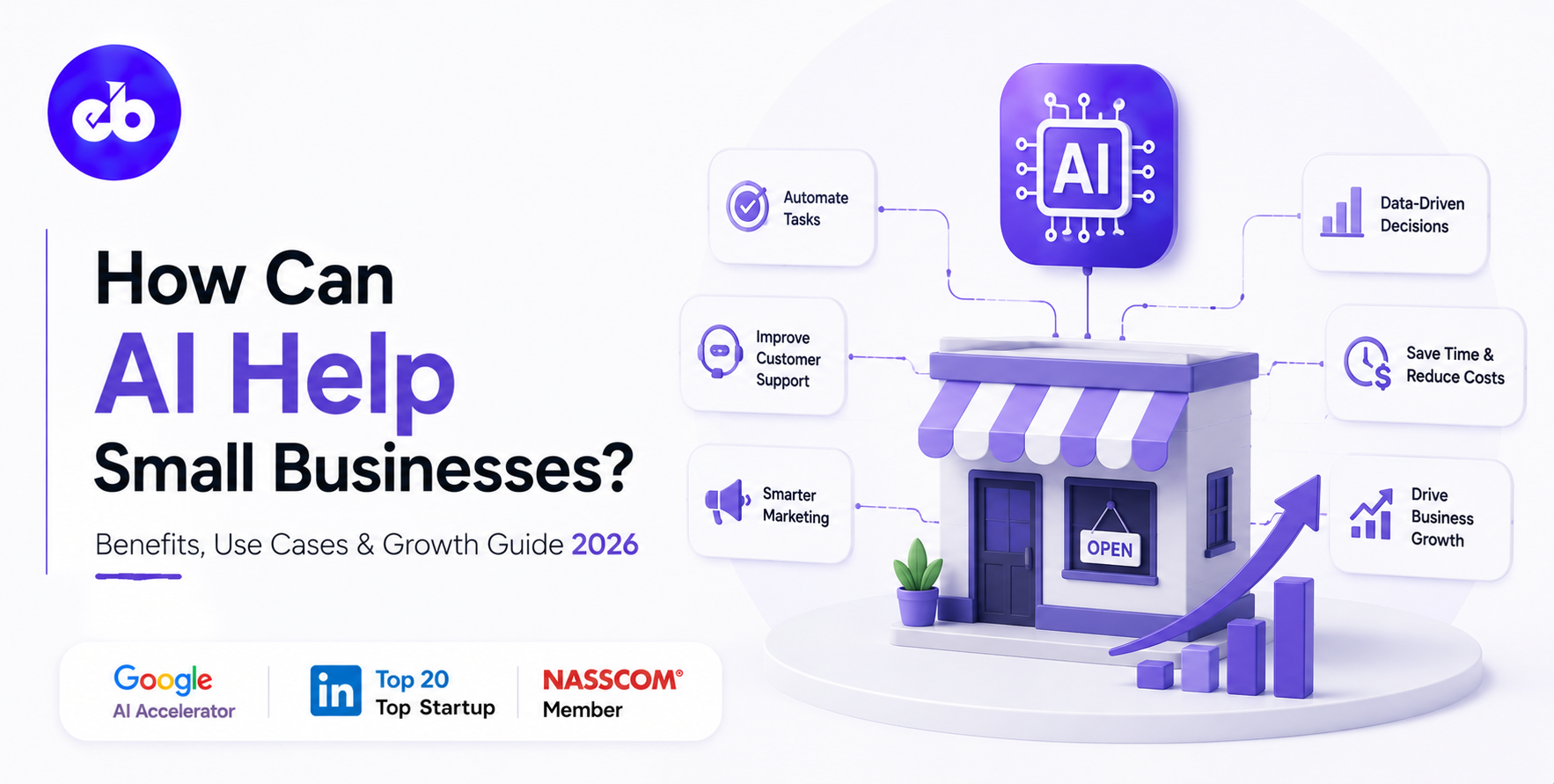
Small businesses have always faced a common challenge: achieving sustainable growth with limited resources. Unlike large enterprises with dedicated departments and extensive budgets, small businesses often rely on lean teams that must handle marketing, customer service, sales, operations, and administration simultaneously.
This is where Artificial Intelligence (AI) is changing the game.
Over the past few years, AI has evolved from an emerging technology into a practical business tool that companies of all sizes can leverage. From automating repetitive tasks and improving customer service to generating leads and making data-driven decisions, AI is helping businesses work smarter rather than harder.
If you’re wondering how can AI help small businesses, the answer goes far beyond simple automation. AI has the potential to transform operations, improve customer experiences, reduce costs, and create new opportunities for growth.
In this guide, we’ll explore how AI is reshaping small businesses, the benefits it offers, real-world use cases, implementation strategies, and why investing in the right AI solutions can provide a significant competitive advantage.
Artificial Intelligence refers to technologies that enable machines and software to perform tasks that typically require human intelligence. These tasks include analyzing data, understanding language, recognizing patterns, making recommendations, and automating decisions.
For small businesses, AI is not about replacing employees with robots. Instead, AI help small businesses by acting as a powerful business assistant capable of handling repetitive work, providing insights, and improving operational efficiency.
Today, businesses are increasingly investing in AI Development Services to streamline workflows, improve customer interactions, and gain a competitive edge in their industries.
The growing accessibility of AI tools means that even startups and local businesses can take advantage of technologies that were once available only to large corporations. Whether it’s an eCommerce store, healthcare clinic, SaaS startup, or service-based company, AI can deliver measurable value.
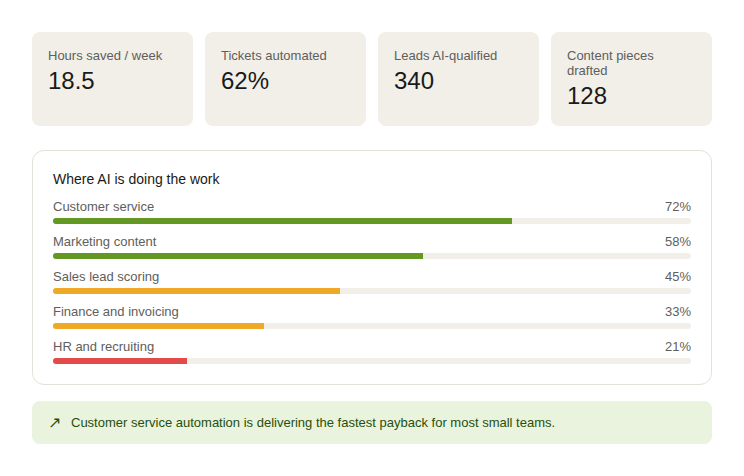
One of the most immediate benefits of AI for small businesses is cost reduction.
Business owners often spend significant time managing administrative tasks such as scheduling appointments, processing invoices, responding to emails, updating spreadsheets, and generating reports. While these activities are necessary, they rarely contribute directly to business growth.
AI-powered automation can handle many of these tasks efficiently and consistently.
For example, AI systems can automatically schedule meetings, generate reports, process customer requests, and organize data without requiring manual intervention. This reduces the amount of time employees spend on repetitive activities and allows them to focus on higher-value work.
Many businesses implement AI Integration Services to connect AI-powered tools with their existing software systems, ensuring smooth workflows and eliminating inefficiencies across departments.
As a result, organizations can operate more efficiently without significantly increasing headcount or operational expenses.
Customer expectations have changed dramatically over the past decade.
Today’s customers expect quick responses, personalized interactions, and support whenever they need it. For many small businesses, meeting these expectations can be difficult due to limited staffing and resources.
AI-powered customer service solutions help bridge this gap.
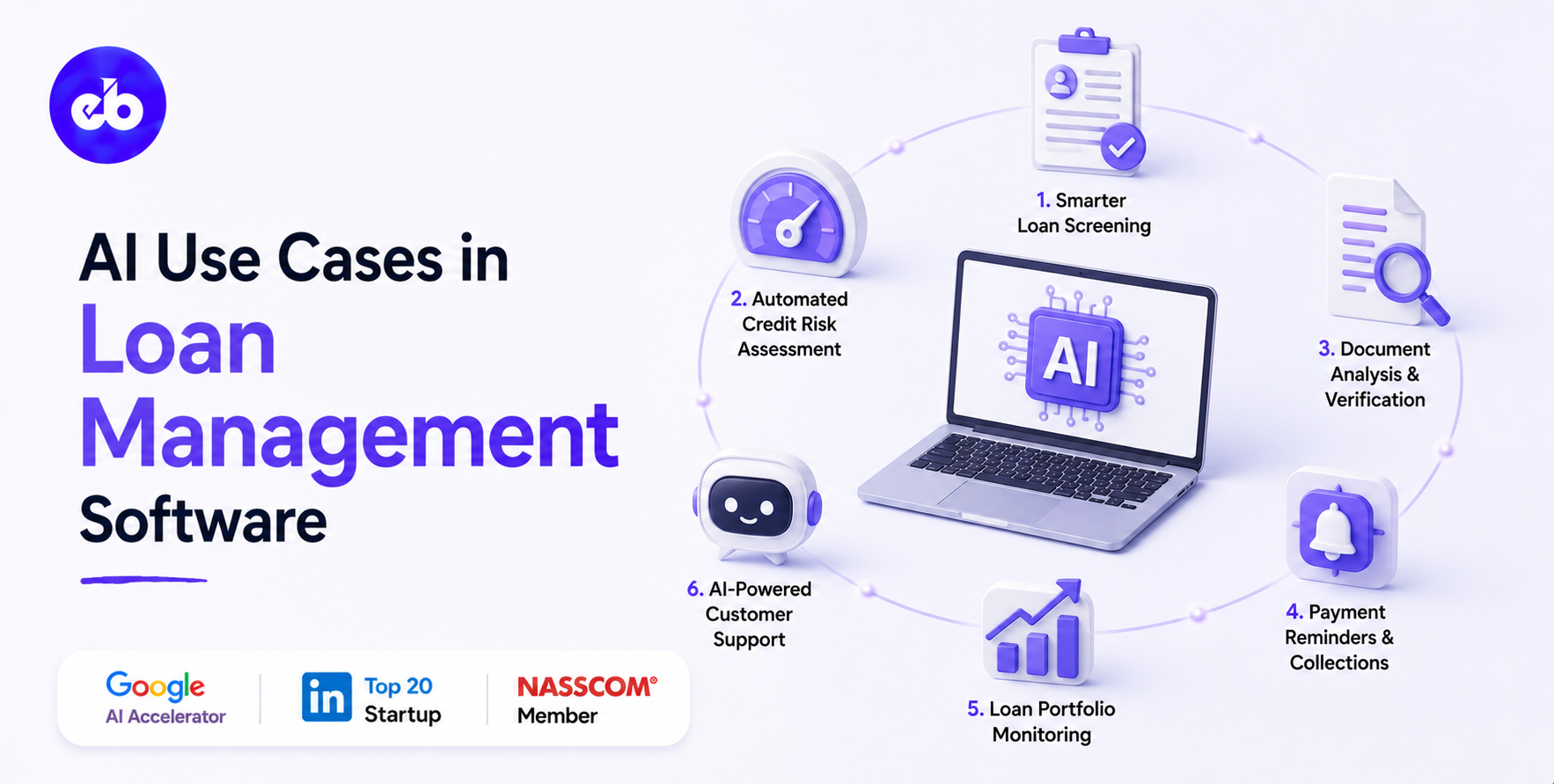
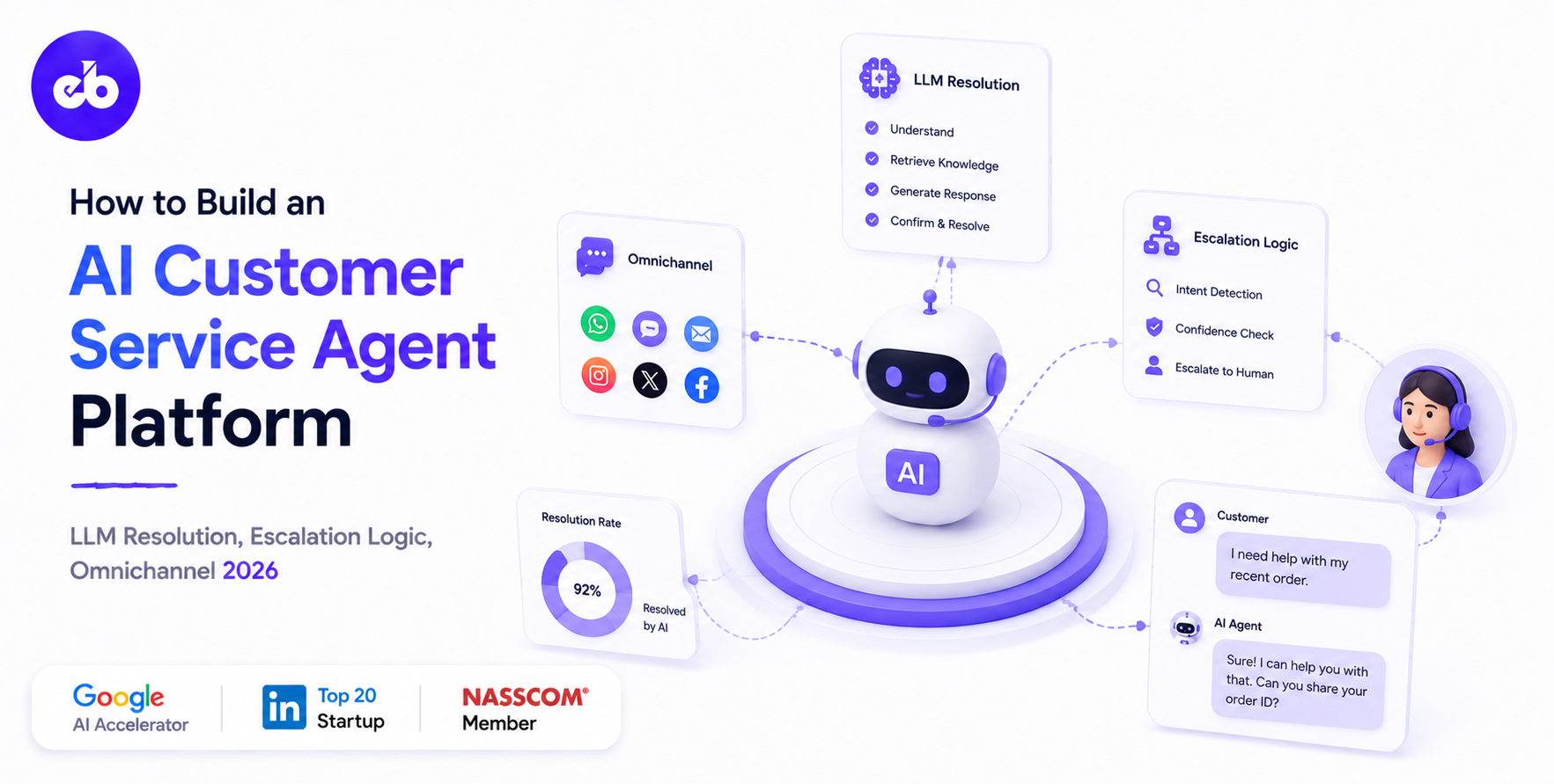
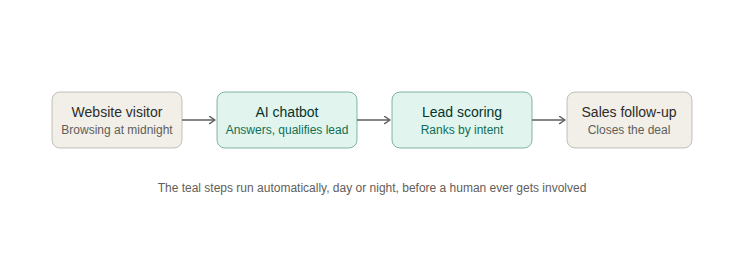
Modern businesses are increasingly investing in AI Chatbot Development to provide instant responses to customer inquiries. These intelligent systems can answer frequently asked questions, assist with product recommendations, schedule appointments, and collect customer information around the clock.
Imagine a potential customer visiting your website at midnight with questions about pricing or services. Instead of waiting until the next business day, they can receive immediate assistance through an AI-powered chatbot.
This improves customer satisfaction while reducing the workload on support teams.
Beyond chatbots, AI can analyze customer interactions, identify recurring issues, and provide recommendations for improving service quality. This enables businesses to create better experiences while maintaining operational efficiency.
Marketing is one of the most resource-intensive activities for small businesses.
Creating blog content, social media posts, email campaigns, advertisements, and landing pages requires significant time and effort. Maintaining consistency across multiple channels can be especially challenging for small teams.
This is where AI becomes a valuable asset.
Businesses investing in Generative AI Development can use AI-powered systems to create marketing content at scale. AI can generate blog outlines, email copy, ad variations, social media captions, and content ideas in a fraction of the time required for manual creation.
However, AI’s role in marketing extends beyond content generation.
Modern AI tools can analyze audience behavior, identify engagement patterns, and recommend optimization strategies for campaigns. Businesses can use these insights to improve targeting, increase conversions, and maximize marketing ROI.
For small businesses competing in crowded markets, AI provides the ability to execute sophisticated marketing strategies without requiring large teams or extensive budgets.
Generating leads is important, but converting those leads into customers is where revenue growth happens.
AI plays a significant role in helping businesses improve sales performance through data analysis and automation.
Traditional sales processes often rely on intuition and manual tracking. Sales teams spend valuable time identifying prospects, qualifying leads, and following up with potential customers.
AI streamlines this process by analyzing customer behavior and identifying which prospects are most likely to convert.
Organizations leveraging Machine Learning Development Services can build systems that evaluate customer interactions, website activity, email engagement, and purchasing behavior to prioritize sales opportunities.
This allows sales teams to focus their efforts on high-intent prospects rather than spending time on leads that are unlikely to convert.
The result is a more efficient sales process, shorter sales cycles, and improved conversion rates.
Operational efficiency is critical for long-term business success.
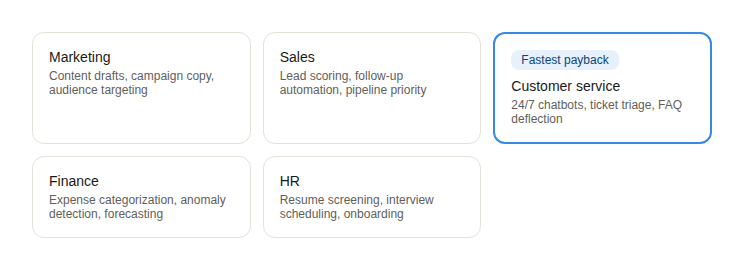
Many small businesses struggle with repetitive workflows that consume valuable time and resources. Examples include invoice processing, employee onboarding, inventory management, document handling, and task coordination.
AI-powered automation helps eliminate these bottlenecks.
Businesses implementing AI Integration Services can automate complex workflows across departments, reducing manual effort and improving consistency.
For example, AI can automatically process customer requests, assign tasks to team members, generate reports, and trigger notifications based on predefined conditions.
This level of automation enables businesses to scale operations more effectively while maintaining quality and accuracy.
As organizations grow, AI-powered automation becomes increasingly important for maintaining efficiency and controlling costs.
Many business owners rely on experience and intuition when making decisions. While experience is valuable, data-driven insights often produce better outcomes.
AI excels at analyzing large volumes of information and identifying patterns that humans may overlook.
Businesses utilizing AI Consulting Services can uncover valuable insights related to customer behavior, sales trends, marketing performance, and operational efficiency.
For example, AI might identify seasonal purchasing trends, detect customer churn risks, or reveal opportunities for cross-selling and upselling.
These insights enable businesses to make informed decisions based on evidence rather than assumptions.
Over time, better decision-making leads to improved profitability, stronger customer relationships, and sustainable growth.
Financial management is one of the most critical responsibilities for any business.
Managing cash flow, tracking expenses, forecasting revenue, and maintaining accurate records can be time-consuming and complex.
AI in fintech simplifies these processes by automating routine accounting tasks and providing predictive financial insights.
Modern AI systems can categorize expenses, reconcile transactions, detect anomalies, generate reports, and forecast future cash flow requirements.
This reduces administrative workload while improving financial accuracy and visibility.
Small businesses that leverage AI for financial management can identify potential issues earlier, make better investment decisions, and maintain healthier financial operations.
Hiring the right talent is essential for business growth.
However, recruitment often involves reviewing resumes, scheduling interviews, evaluating candidates, and managing communication.
AI in HR and Recruitment can significantly improve the hiring process by automating candidate screening and identifying qualified applicants based on predefined criteria.
Businesses can also use AI to assist with employee onboarding, training recommendations, and workforce planning.
By reducing administrative tasks associated with recruitment, organizations can focus more on selecting candidates who align with their culture and long-term goals.
Customers increasingly expect businesses to understand their preferences and provide relevant experiences.
AI enables small businesses to deliver personalized interactions at scale.
Whether it’s recommending products, customizing email campaigns, or tailoring website content, AI can analyze customer behavior and provide highly relevant recommendations.
An online retailer, for example, can use AI to recommend products based on previous purchases and browsing history. Similarly, service providers can personalize communications based on customer interests and engagement patterns.
These personalized experiences improve customer satisfaction, increase loyalty, and drive higher revenue.
Across industries, businesses are already seeing measurable results from AI adoption.
A local healthcare clinic may use AI-powered scheduling systems to reduce appointment management workloads and improve patient communication.
An eCommerce company might leverage AI-driven recommendation engines to increase average order value and improve customer retention.
A marketing agency can utilize AI-powered content generation and analytics tools to deliver campaigns more efficiently.
Meanwhile, a SaaS startup may implement predictive analytics to identify customer churn risks and improve retention strategies.
These examples demonstrate that AI is not limited to a single industry. Businesses of all types can benefit from intelligent automation and data-driven decision-making.
Despite its advantages, AI implementation is not without challenges.
Businesses must ensure they have access to accurate and reliable data. Poor-quality data can lead to inaccurate predictions and ineffective automation.
Employee training is another important consideration. Team members need to understand how AI tools work and how to use them effectively.
Security and privacy must also be prioritized, particularly when handling customer information.
The most successful organizations approach AI strategically. Rather than implementing AI everywhere at once, they focus on solving specific business problems and expanding gradually as results are achieved.
While off-the-shelf AI tools can provide immediate value, they are not always sufficient for growing businesses with unique workflows and requirements.
This is where Custom AI Solutions become increasingly valuable.
Custom AI applications can be designed around specific business objectives, internal processes, customer journeys, and operational challenges.
Organizations investing in AI Development Services gain greater flexibility, scalability, and control compared to relying solely on generic software.
Whether it’s intelligent automation, predictive analytics, recommendation engines, or conversational AI, custom-built systems can provide a significant competitive advantage.
The future of AI is incredibly promising.
Businesses are already beginning to adopt intelligent systems capable of managing workflows, conducting research, automating customer interactions, and supporting decision-making processes.
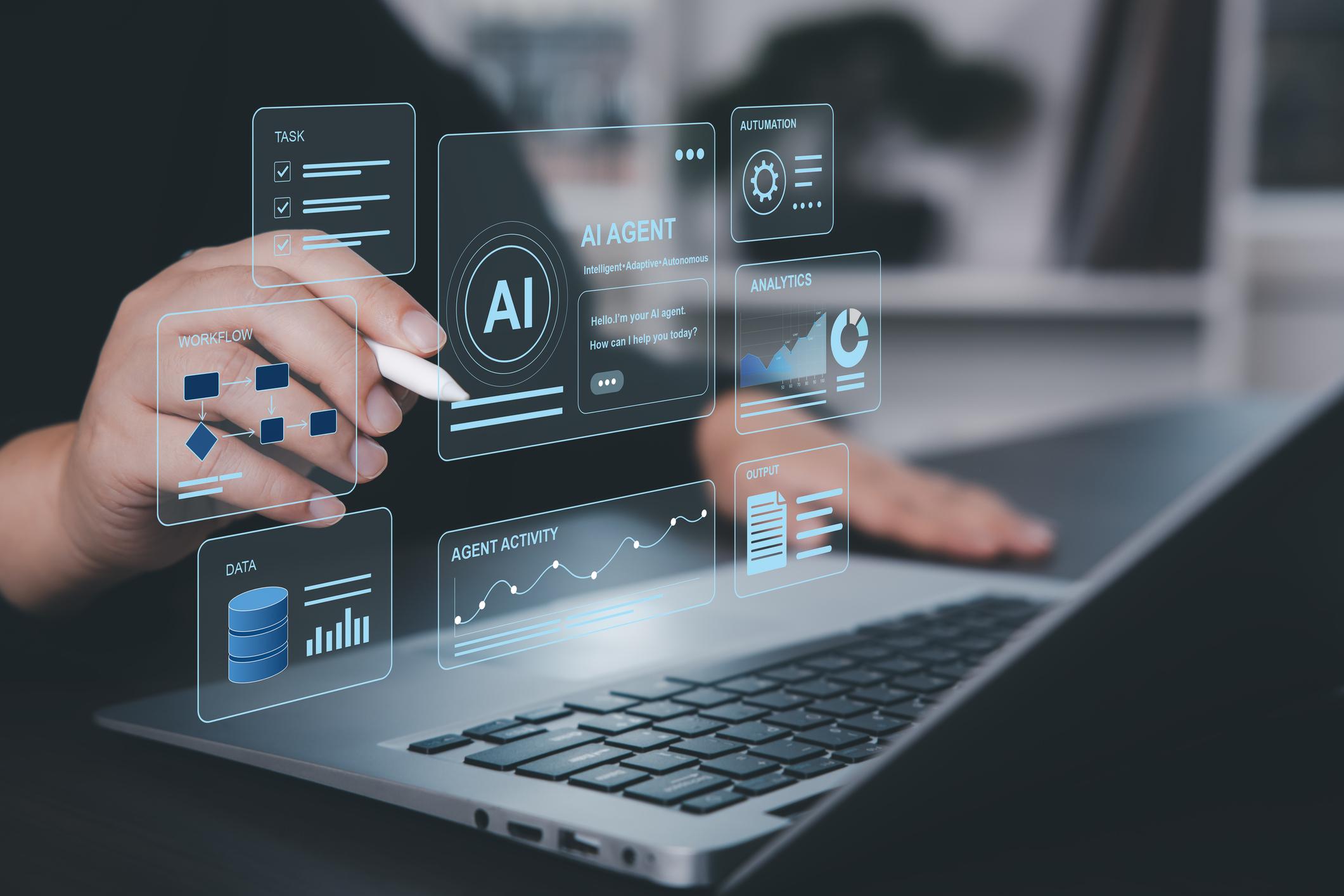
The rise of AI Agent Development is expected to further transform how businesses operate. AI agents can perform multi-step tasks, coordinate workflows, and assist employees across various functions.
As AI technologies continue to evolve, businesses that embrace innovation early will be better positioned to compete in rapidly changing markets.
The companies that thrive in the coming years will not necessarily be the largest. They will be the organizations that effectively combine human expertise with AI-powered efficiency.
Artificial Intelligence is no longer a futuristic concept reserved for large enterprises. It has become an accessible and practical technology that helps small businesses operate more efficiently, serve customers more effectively, and scale with confidence.
From customer service and marketing to sales, operations, and financial management, AI offers opportunities to reduce costs, increase productivity, and unlock new growth potential.
Whether you’re exploring automation, predictive analytics, personalized customer experiences, or advanced AI applications, the key is to start with clear business objectives and implement solutions strategically.
For businesses seeking long-term success, investing in the right AI technologies today can create a significant competitive advantage tomorrow.
AI improves productivity by automating repetitive tasks such as scheduling, reporting, customer support, data entry, and content creation. This allows employees to focus on strategic and revenue-generating activities.
The primary benefits include reduced operational costs, improved efficiency, better customer experiences, increased sales opportunities, enhanced decision-making, and scalable business growth.
Yes. Many AI tools are available through affordable subscription models, allowing businesses to start small and scale their AI investments over time.
AI improves customer service through chatbots, virtual assistants, automated responses, personalized interactions, and 24/7 customer support capabilities.
Yes. AI can identify high-intent prospects, automate follow-ups, personalize outreach campaigns, and improve lead qualification processes.
AI tools are pre-built software applications designed for general use, while custom AI solutions are developed specifically to address a company’s unique requirements and workflows.
AI assists marketing teams with content creation, audience targeting, campaign optimization, SEO recommendations, and performance analysis.
Healthcare, finance, retail, eCommerce, education, logistics, SaaS, manufacturing, and professional services all benefit significantly from AI technologies.
AI can be secure when businesses use trusted platforms, implement strong cybersecurity measures, and follow data privacy best practices.
Early adoption enables businesses to improve efficiency, reduce costs, enhance customer experiences, and gain a competitive advantage before AI becomes standard across industries.