Top Finastra Alternatives for Lending Software Development


Create engaging, high-performance mobile applications tailored to your business needs. We craft future-ready apps that offer smooth user experiences on all devices.
Build robust and scalable websites and CMS platforms that help you manage content effortlessly. Our development ensures a seamless digital presence.
Launch secure, feature-rich online stores with intuitive shopping experiences. We build tailored eCommerce platforms designed for growth.
Design captivating games with immersive gameplay and stunning graphics. From concept to launch, we build engaging experiences that players love.
Enhance your customer relationships with customized Salesforce implementations. Drive growth and efficiency with smarter CRM solutions.
Harness artificial intelligence and machine learning to automate workflows and gain actionable insights. Our AI transforms data into smart decisions.
Accelerate your software delivery lifecycle with continuous integration, delivery, and infrastructure automation to boost efficiency.
Hire app developers ready to turn your ideas into sleek, high-performing mobile apps for any platform.
Bring in frontend pros who craft smooth, beautiful, and user-friendly interfaces that your visitors will love.
Get backend developers who build fast, secure, and reliable systems to keep everything running behind the scenes.
Hire eCommerce developers who build secure, scalable online stores designed to offer seamless shopping and grow your sales.
Get dedicated developers committed to your projects, delivering consistent quality and speed as an extension of your team.
Your lending platform runs on software that either makes your team faster or slows every deal down. Finastra has long held a dominant position in this space, trusted by thousands of financial institutions globally.
But as borrower expectations shift and AI-powered workflows become table stakes, many lenders are quietly asking: is there something better suited to how we actually work?
The global lending software market is projected to reach USD 86.23 billion by 2034, growing at a CAGR of 10.41%, according to Global Growth Insights. That level of growth signals one thing clearly: the bar for what good lending software should do keeps rising.
So if you are evaluating finastra alternatives for lending software development, this blog lays it out with specifics. We will cover who the alternatives are, what they actually offer, and how to approach a switch without derailing your operations.
Finastra is genuinely strong in core commercial lending and syndicated loan servicing. Loan IQ remains the go-to for large institutional lenders. But several real-world pain points push organizations to shop around:
None of this makes Finastra a bad product. It makes it a specific product. And if your lending model does not fit its sweet spot, you end up paying for features you do not use while missing ones you need.
Here are the strongest alternatives worth evaluating, along with what makes each one worth your time.
Best for: Fintechs, NBFCs, and lenders that need a fully custom lending platform built from the ground up
EngineerBabu is a top lending software development company that builds custom lending platforms tailored to how your operation actually works. Every module, from origination and credit decisioning to servicing and collections, is designed around your specific product structure and compliance requirements.
Why It Works:
Best for: Cloud-native banks, fintechs, and lenders scaling fast
Mambu is fully cloud-native and API-first. Its composable architecture lets you build a lending stack from modular components, configuring loan products, repayment schedules, and fee structures without backend code changes.
Why It Works
Best for: Commercial banks and credit unions managing complex loan portfolios
nCino is built on Salesforce, giving it strong advantages in deal pipeline management, relationship banking, and reporting. Its origination, spreading, and portfolio management modules are tightly connected and familiar to CRM users.
Why It Works
Best for: Mid-size lenders and non-bank financial institutions looking for AI-driven automation
Turnkey Lender covers origination, underwriting, servicing, and collections in a single system. Its AI-based credit decisioning is embedded natively, not bolted on as an afterthought.
Why It Works
Best for: Lenders that need deep loan servicing control and custom product structures
Another great finastra alternatives for lending software is LoanPro. It gives lenders granular control over loan configuration, interest calculation methods, payment waterfall rules, fee structures, and grace period logic, all without professional services involvement in most cases.
Why It Works
Best for: Community banks and credit unions focused on commercial lending compliance
Abrigo is built specifically for community financial institutions. Its loan origination module handles spreading, credit memo generation, and compliance tooling in a way that maps directly to how community bankers work.
Why It Works
Best for: Institutions rebuilding their lending infrastructure on modern core banking
Thought Machine’s Vault is a cloud-native core banking platform where lending is one part of a broader product suite. Its Universal Product Engine lets teams define custom loan products through configuration, not custom code.
Why It Works
Best for: Large financial institutions needing enterprise-scale commercial loan management
Among the best finastra alternatives for lending software is FIS. It covers origination, credit analysis, approval workflows, and servicing at a breadth that rivals Finastra Loan IQ. It is one of the few alternatives that genuinely matches Finastra’s enterprise depth.
Why It Works
Best for: Lenders with product structures that no off-the-shelf platform handles well
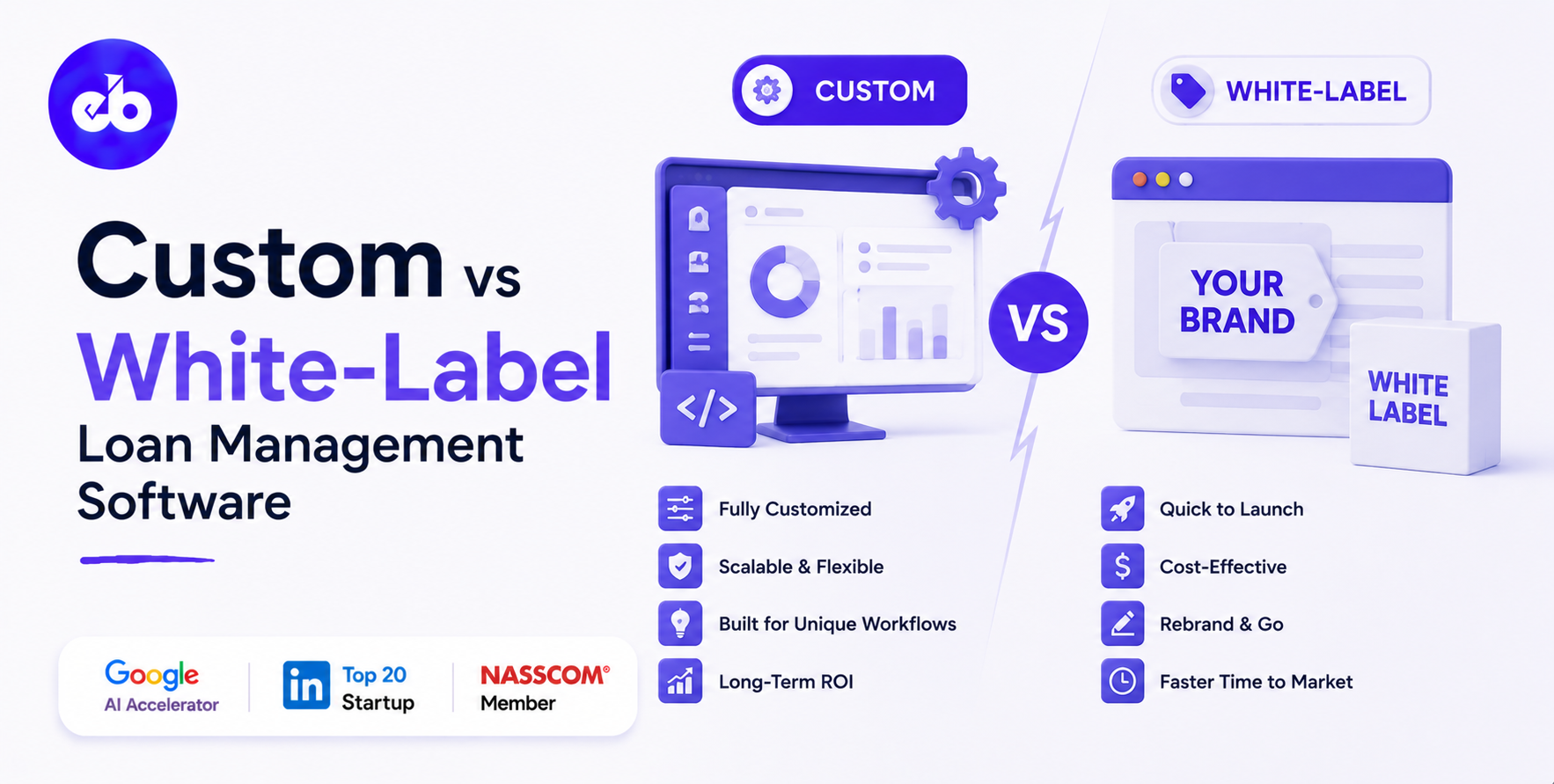
When no existing platform fits cleanly, custom development is often more cost-effective than years of workarounds inside a rigid system. Working with a loan app development company gives you full ownership of every workflow and integration.
Why It Works
Picking the right platform is not just about features. It is about fit between the platform’s design philosophy and your operational reality. Here is how to approach the decision clearly.
Before comparing any platform, document how loans actually move through your system today. Include every manual step, every workaround, and every integration that exists. The platforms that eliminate your real bottlenecks matter more than the ones with impressive feature sheets.
List the capabilities you cannot operate without, specific compliance rules, loan product types, integration requirements with your core banking system, and reporting needs. Use this list as a filter before you spend time on demos. Any platform that cannot meet your non-negotiables should be ruled out early, regardless of how well it performs in other areas.
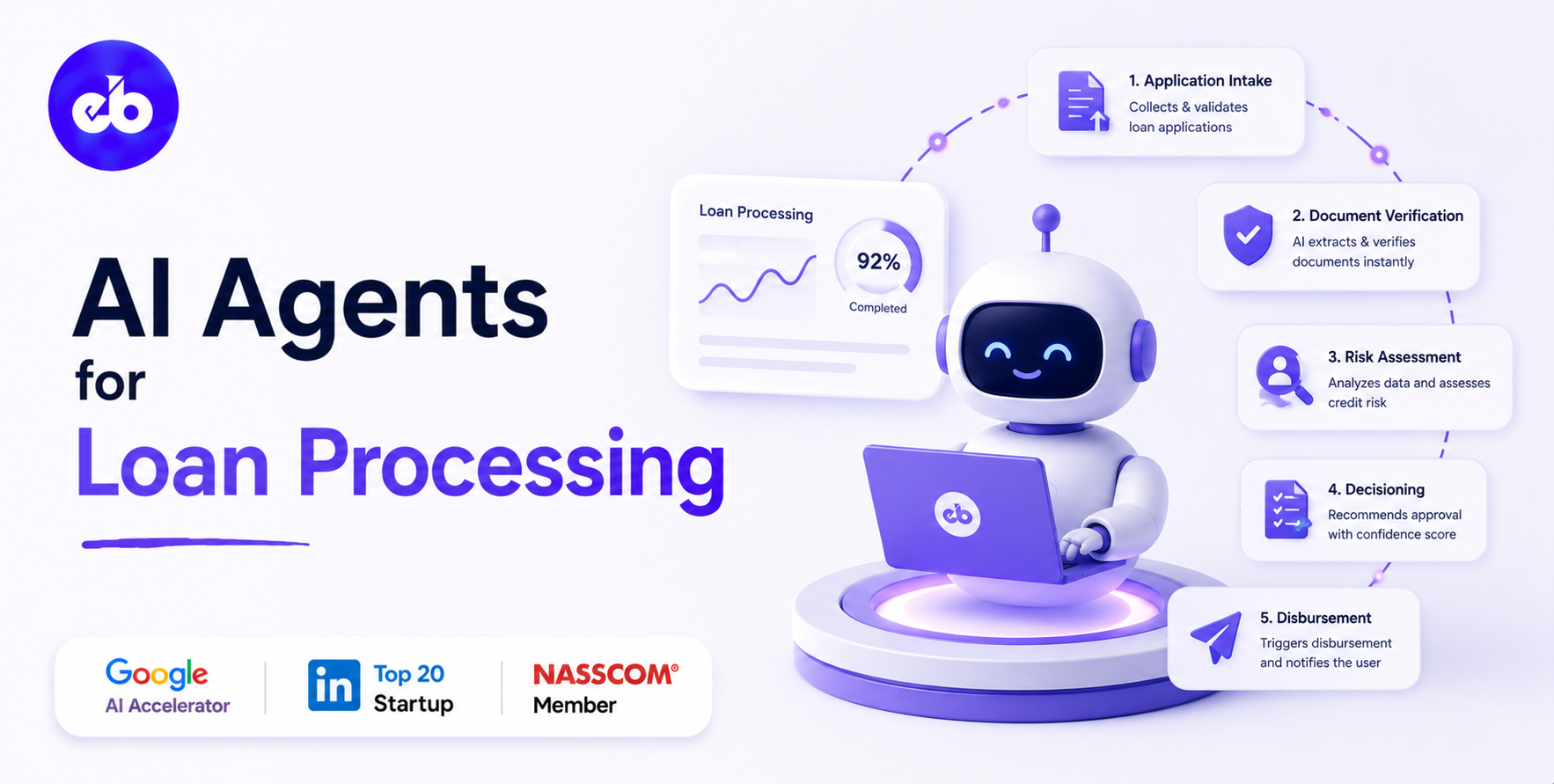
If your lending institution plans to move toward automated underwriting, AI-driven credit decisions, or behavior-based risk scoring in the next two to three years, your platform choice matters now. Some platforms support this natively. Others require custom integration work.
Understanding the role of AI in automating B2B loan approvals can help you identify how much headroom your shortlisted platform gives you for this evolution.
Not every organization should buy an off-the-shelf alternative to Finastra. If your loan product has a structure that requires significant platform customization, the ongoing cost of that customization often exceeds what a well-scoped custom build would cost over three to five years. Run the numbers on both paths before committing to either.
Switching lending platforms always involves a data migration challenge. Loan histories, borrower records, collateral data, and payment schedules need to transfer cleanly or your operations break.
Before choosing any alternative, confirm the migration path from your current Finastra setup and get clarity on what the vendor supports versus what you will need to handle yourself.
Finastra is a strong platform for what it is designed to do, and many institutions use it successfully. But the finastra alternatives for lending software available today are more capable, more composable, and more cost-efficient than they were even three years ago.
Whether you work with EngineerBabu to build something custom, move to Mambu, nCino, or LoanPro, the right choice comes down to how closely the platform aligns with the specific way your lending operation actually runs.
The market is growing fast, borrower expectations are rising, and the window to modernize your lending stack is now. Take the time to evaluate your options carefully and pick a direction that supports where you are going, not just where you have been.
Platforms like Mambu, Turnkey Lender, and LoanPro are often better suited for mid-size lenders due to lower costs, faster implementation, and flexible configurations compared to Finastra’s enterprise-heavy setup.
It depends on your complexity. If your workflows are unique or require heavy customization, a custom-built platform can be more cost-effective long term. For standard lending models, off-the-shelf solutions are quicker to deploy.
AI is becoming essential. It helps automate underwriting, improve risk assessment, detect fraud, and speed up decision-making, which significantly enhances operational efficiency and borrower experience.
Migration can be complex, especially for large portfolios. It requires careful planning around data transfer, integrations, and compliance. Most vendors provide support, but internal preparation is critical.
Focus on workflow fit, scalability, integration capabilities, compliance support, and total cost of ownership rather than just feature lists. The right platform should align with how your lending operation actually works.