These concerns are not unfounded, but they are often the result of unclear processes rather than outsourcing itself. With the right structure, transparency, and accountability in place, businesses can confidently outsource while maintaining full control over delivery, quality, and outcomes.
Why Companies Worry About Outsourcing Safety?
Companies worry about is outsourcing software development safe because it directly impacts their data, intellectual property, and overall business control. Another major issue is poor code quality, which can lead to long-term scalability and maintenance challenges. Key concerns when asking is outsourcing software development safe include the misuse of proprietary code or ideas and data security breaches that can expose sensitive customer or business information.
Businesses also fear loss of control over project execution when working with external teams, especially due to time zone differences and limited visibility into daily operations. Vendor lock-in is another concern, where companies become too dependent on a single partner, making it difficult to switch later. Additionally, communication gaps can slow down progress and create misunderstandings.
These concerns are valid, but with the right processes, clear contracts, and experienced partners, companies can effectively manage these risks and outsource with confidence.
What Are the Top Risks in Software Outsourcing?
Before understanding is outsourcing software development safe, it is important to identify the key risks that can impact delivery, security, and long-term success.
1. Intellectual Property Risk
Without clear legal agreements, companies risk losing control over their source code and proprietary assets. Weak contracts or unclear ownership terms can lead to disputes or misuse of intellectual property. Ensuring proper NDAs, ownership clauses, and secure repositories helps protect long-term business value and innovation.
2. Data Security Risk
Sharing sensitive data with external teams increases the risk of breaches if security practices are not strong. Lack of encryption, poor access control, or non-compliance with standards can expose critical information. Implementing secure infrastructure, role-based access, and compliance frameworks is essential for safe outsourcing.
3.Code Quality Risk
Outsourcing to inexperienced or junior-heavy teams can result in poor code quality. This leads to bugs, technical debt, and scalability issues in the future. Maintaining coding standards, conducting regular reviews, and ensuring senior developer involvement helps deliver reliable, maintainable, and high-performing software systems.
4. Loss of Control
Working with external teams can reduce direct oversight of project progress and priorities. Without proper tracking and communication, delays and misalignment may occur. Using project management tools, setting clear expectations, and maintaining regular updates ensures better visibility, control, and alignment with business goals.
5.Vendor Lock-In Risk
Relying too heavily on one vendor can make it difficult to switch providers or bring development in-house later. Lack of documentation or proprietary systems increases dependency. Creating modular systems, maintaining documentation, and defining exit clauses ensures flexibility and reduces long-term risks.
6. Communication Gaps
Differences in time zones, language, and work culture can lead to misunderstandings and slower progress. Poor communication often results in rework and missed expectations. Establishing clear communication channels, overlapping working hours, and regular check-ins improves collaboration and ensures smoother project execution.
Why Companies Trust EngineerBabu
Companies trust EngineerBabu because of its strong track record in delivering high-quality, scalable software solutions with complete transparency and ownership. The company combines startup agility with enterprise-level discipline, ensuring projects are delivered on time without compromising quality.
Proven Industry Recognition
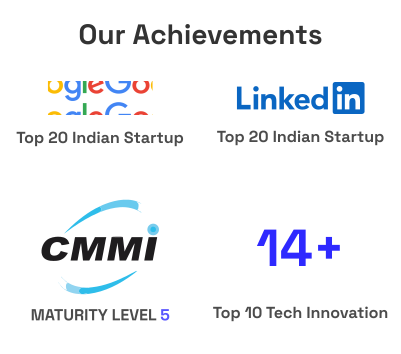
EngineerBabu has earned strong credibility through its selection in the Google AI Accelerator (Batch ’24) and consistent recognition among LinkedIn Top 10–20 companies. It has also built products for 75+ Y Combinator–backed startups, showcasing its ability to deliver high-impact, scalable solutions for fast-growing global businesses.
Senior-Led Engineering Teams
Projects are led by experienced engineers who focus on building scalable architecture and maintaining high coding standards. This reduces technical debt, improves product stability, and ensures faster execution. Senior oversight helps maintain quality across all stages of development, from planning and design to deployment and scaling.
Enterprise-Grade Security and IP Ownership
EngineerBabu follows strong security practices, including secure infrastructure, controlled access, and compliance-ready systems. It ensures complete intellectual property ownership for clients, giving them full control over their code and product. This builds trust and reduces risks related to data security and ownership disputes.
Transparent and Structured Processes
The company follows clear workflows with regular updates, sprint planning, and performance tracking. Clients get full visibility into project progress, timelines, and deliverables. This transparency improves collaboration, reduces misunderstandings, and ensures alignment between business goals and development execution throughout the project lifecycle.
End-to-End Development and Scalability Support
EngineerBabu supports the entire product lifecycle, from idea validation to scaling and optimization. Its structured approach allows businesses to grow without operational bottlenecks. By combining speed with engineering discipline, it helps companies build reliable products and scale efficiently in competitive markets.
Conclusion
Outsourcing software development is no longer just a cost-saving strategy, but a practical way to access global talent, accelerate delivery, and scale efficiently. When businesses ask, is outsourcing software development safe, the answer depends on how well risks are managed through the right approach, clear contracts, and structured processes. Understanding potential challenges early is what separates successful outsourcing from failed attempts.
Companies that focus on strong vendor selection, transparent communication, and well-defined ownership models can outsource with confidence. With experienced partners, senior-led teams, and secure development practices, outsourcing becomes a reliable and scalable solution. So, is outsourcing software development safe in the long run? Yes, when done with the right safeguards, it allows businesses to scale while maintaining quality, security, and full control over their products.
FAQ
1. Is outsourcing software development safe?
Yes, outsourcing software development is safe when done with the right partner, strong contracts, and secure processes. Risks like data breaches or IP issues can be minimized through NDAs, secure infrastructure, and clear ownership agreements.
2. What are the biggest risks in software outsourcing?
The biggest risks include data security breaches, intellectual property loss, poor code quality, vendor lock-in, and communication gaps. These risks usually arise from poor vendor selection and lack of structured processes.
3. How can companies reduce outsourcing risks?
Companies can reduce risks by choosing experienced vendors, using strong legal contracts, ensuring IP ownership, implementing security practices, and maintaining regular communication through structured workflows and reporting systems.
4. Is outsourcing software development safe than hiring in house team ?
Outsourcing can be more efficient in terms of cost, speed, and scalability. It allows access to global talent and structured processes, especially for startups and growing companies that need to scale quickly without large internal teams.
5. Who owns the code in outsourced software development?
The client owns the code when proper contracts like NDA, MSA, and SOW are in place. Clear IP ownership clauses ensure full control over the product, codebase, and future scalability.