KYC & Compliance Requirements for Loan DSAs

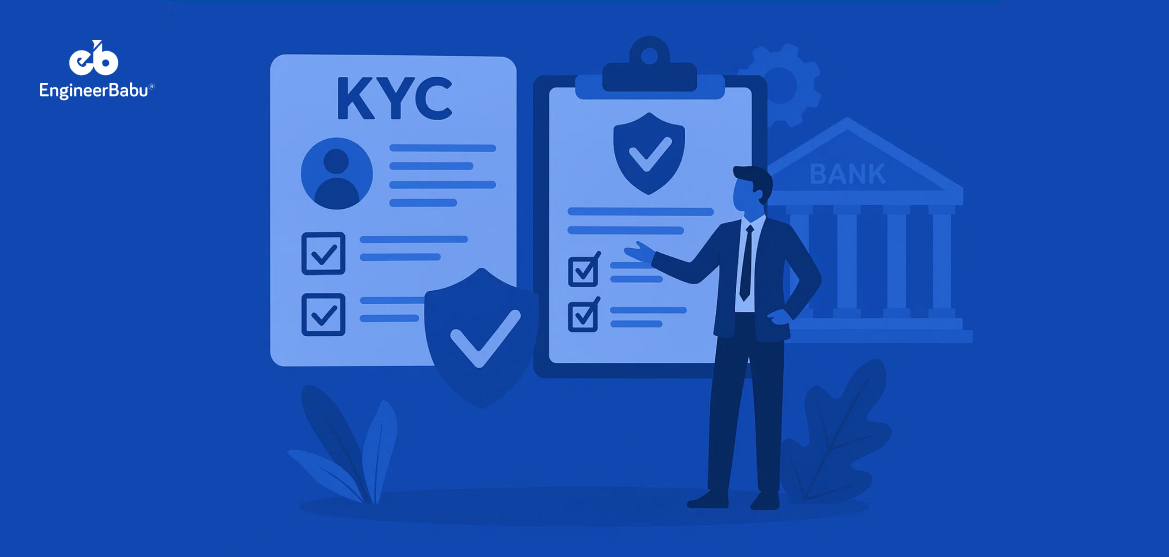
If you work with Loan DSAs, you already know one uncomfortable truth: one weak link in KYC or compliance can risk the entire lending ecosystem.
In India, bank fraud value nearly tripled in FY25 and is linked to advances and loans, which makes robust KYC for intermediaries like DSAs non-negotiable. At the same time, regulators are watching closely. RBI’s 2023 digital lending guidelines explicitly put responsibility on regulated entities to verify third-party partners, track customer journeys, and maintain clean, auditable data trails.
For DSAs, this is no longer just about collecting PAN and Aadhaar. It is about proving that every lead, every document, and every consent is sourced, stored and used in a compliant way across multiple systems and teams.
Therefore, in this guide, we will break down KYC & Compliance Requirements for Loan DSAs in practical terms and show how thoughtful tech and documentation can keep your DSA network fast and regulator-ready.
A Loan DSA, or Direct Selling Agent, acts as the first point of contact between borrowers and regulated lenders like banks or NBFCs. In practical terms, DSAs source leads, explain loan products, collect documents, and guide applicants through the loan journey.
In many digital lending setups, DSAs also handle onboarding through loan apps, websites, field agents, or call centres. That is why every NBFC needs a channel partner (DSA) Portal.
Moreover, this front-facing role is exactly why compliance responsibilities apply so strongly to DSAs. From a regulator’s point of view, the borrower does not distinguish between a lender and its DSA. Any misstep at the DSA level is treated as a failure of the overall lending system.
Compliance applies to Loan DSAs in three clear ways.
In short, once a DSA touches customer data or loan sourcing, KYC & Compliance Requirements for Loan DSAs become unavoidable and central to long-term operations.
The Reserve Bank of India sets the core rules that every Loan DSA must follow. RBI’s Fair Practices Code requires DSAs to disclose correct product information, avoid misleading sales behaviour, and follow strict customer verification steps. Every DSA is expected to maintain full transparency on interest rates, fees, repayment terms, and risks.
RBI also mandates that lenders must keep full control over the customer journey. This means DSAs can source and assist, but final approval, KYC validation, and risk checks must stay with the bank or NBFC. Regular audits, call recordings for verification, controlled scripts, and training are part of the compliance expectations.
Banks and NBFCs act as the principal entities. They approve DSA onboarding, issue operating guidelines, verify documents, and track all customer interactions. They also define how DSAs collect documents, what scripts they must use, and which practices are allowed or restricted.
Lenders also perform background checks on DSAs, verify their GST and PAN details, and review their compliance performance before renewing partnerships.
The accountability chain is simple. The DSA sources and submits applications. The lender checks, verifies, and approves. If anything goes wrong, the lender carries regulatory responsibility, and the DSA carries operational accountability.
This shared model ensures safety for borrowers and reduces fraud risk. Clear responsibilities help lenders stay compliant with RBI rules while allowing DSAs to act as trusted partners rather than independent agents working without oversight.
Before a DSA can source leads or assist borrowers, lenders expect a strict compliance foundation. This ensures trust, reduces fraud risk, and keeps every loan file aligned with RBI guidelines.
At this stage, both the DSA and the borrower must meet specific KYC and disclosure requirements. These rules may feel detailed at first, but they create a safer and more predictable lending process for everyone involved.
Before a Direct Selling Agent (DSA) can begin sourcing or processing loans, they must complete a thorough Know Your Customer (KYC) process with the lender or NBFC they are tied up with. The documentation varies depending on whether the DSA is an individual or a registered business entity.
For individual DSAs, the following documents are typically mandatory:
For firms or companies, additional documentation includes:
Lenders also verify whether the entity is blacklisted or involved in regulatory violations, using internal databases or credit bureau checks.
Once onboarded, a DSA is responsible for collecting and submitting KYC documents of prospective borrowers. This includes:
But collection is only the start. DSAs must ensure:
Several lenders now mandate the use of digital KYC tools, including video verification and Aadhaar XML validation, especially for unsecured loans. DSAs must stay updated with each lender’s tech stack and policy updates.
Regulatory frameworks like RBI’s Fair Practice Code place an increasing burden on intermediaries like DSAs to act transparently and ethically.
Key compliance disclosures include:
Failing to meet these compliance requirements doesn’t just risk partnership termination, it can also trigger legal or regulatory action under RBI or SEBI guidelines.
More lenders now prefer mobile-first lending journeys, which means DSAs must collect and validate documents digitally, track applications in real time, and avoid manual errors that slow down approvals. Digital systems also help prevent DSA Lead Leakage, a common problem when multiple teams or agents handle borrower details without proper controls.
AI in loan lending apps makes verification faster and more reliable by matching customer details across documents, spotting signs of tampering, and identifying mismatches. This allows DSAs to submit cleaner files, cut down on back-and-forth, and increase the chance of faster approvals.
Fintech platforms now offer complete onboarding stacks where DSAs can upload KYC documents, track compliance checks, and receive alerts for missing information. These systems also maintain audit trails, which help lenders demonstrate regulatory compliance.
KYC & Compliance Requirements for Loan DSAs are becoming more structured as lenders shift toward stricter verification, digital onboarding, and audit-friendly workflows. DSAs who adapt to these expectations early not only reduce operational risk but also improve approval speed, customer trust, and long-term revenue.
For lenders and fintechs looking to scale, partnering with the right tech team matters. A strong lending software development company can automate KYC checks, integrate APIs, build DSA portals, and ensure compliance flows match RBI expectations.
If you want to build a modern, compliant, and scalable loan onboarding system, EngineerBabu can help. Our team has delivered lending platforms, DSA systems, digital KYC modules, and workflow automation for banks, NBFCs, and fast growing fintechs.
Most lenders require PAN, Aadhaar, recent photographs, a valid address proof, bank details, and a police verification certificate. Some lenders may also ask for digital KYC verification during onboarding.
Yes. A registered entity must provide the company PAN, incorporation certificate, GST registration, office address proof, and a board resolution authorising the signing authority.
The file may get rejected or held for compliance review. Repeated mistakes can lead to penalties, suspension, or removal from the lender’s DSA panel.
No. DSAs can only earn commissions from the lender. Charging borrowers any additional or hidden fee violates the RBI’s Fair Practice guidelines.
They build trust, ensure regulatory alignment, and protect both customers and lenders. Clear disclosures about lenders, commission structures, and sales practices reduce complaints and support long-term partnerships.