How to Create an App Like Teladoc - Remote Medical Consultations


Create engaging, high-performance mobile applications tailored to your business needs. We craft future-ready apps that offer smooth user experiences on all devices.
Build robust and scalable websites and CMS platforms that help you manage content effortlessly. Our development ensures a seamless digital presence.
Launch secure, feature-rich online stores with intuitive shopping experiences. We build tailored eCommerce platforms designed for growth.
Design captivating games with immersive gameplay and stunning graphics. From concept to launch, we build engaging experiences that players love.
Enhance your customer relationships with customized Salesforce implementations. Drive growth and efficiency with smarter CRM solutions.
Harness artificial intelligence and machine learning to automate workflows and gain actionable insights. Our AI transforms data into smart decisions.
Accelerate your software delivery lifecycle with continuous integration, delivery, and infrastructure automation to boost efficiency.
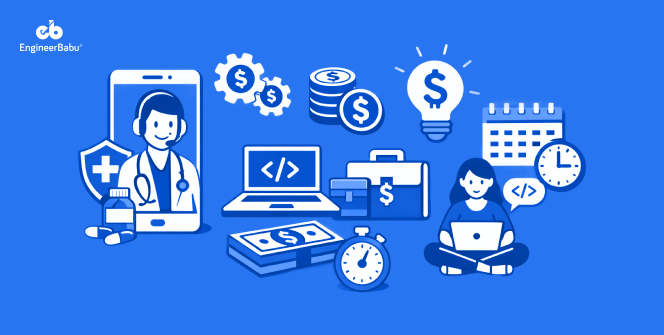
Imagine being able to see a doctor from your living room without waiting in long queues or traveling across town. That’s exactly what telemedicine apps like Teladoc make possible.
In fact, a recent report shows that over 80 percent of patients reported that virtual healthcare services offer better convenience and time savings.
If you are an engineer or a startup founder thinking about building something similar, it might feel overwhelming at first. But with the right approach, you can create an app that connects patients with doctors seamlessly, just like Teladoc.
In this guide, I will walk you through how to create an app like Teladoc and cover everything from core features to technology choices, all while keeping the process practical and approachable.
Before diving into building your own app, it’s helpful to understand what makes Teladoc tick. At its core, Teladoc offers remote medical consultations across general health, mental health, dermatology, and chronic condition management. This variety keeps users engaged because they can rely on a single platform for multiple healthcare needs.
Some of the key features that make Teladoc popular include easy user registration, a searchable doctor directory, appointment booking, video consultations, prescription handling, and secure payment integration.
Push notifications and reminders help patients stay on track with appointments, while doctor ratings and reviews build trust on both sides.
Understanding these features gives you a roadmap and helps you learn how to create an app like Teladoc. You’ll also want to pay attention to the user experience. A smooth, intuitive interface keeps patients coming back, and doctors find it easier to manage appointments and records efficiently.
Building a telemedicine app may sound intimidating at first, but breaking it down into clear steps makes it much more manageable.
From understanding the market to choosing the right tech stack, each stage plays a key role in creating an app that users will actually enjoy using. Here’s a practical roadmap for engineers and startups.
Before you code anything, it’s crucial to know who you’re building for. Analyze your target audience, check out competitors, and understand what patients and doctors really need. This stage helps you define your unique value and avoid creating features that don’t add value. A little research upfront can save weeks of wasted development time later.
Decide what types of users your app will have, typically patients, doctors, and an admin panel. Identify technical requirements like platform support, integrations, and scalability. Don’t forget regulatory compliance, as handling patient data comes with strict rules. Laying out these requirements clearly sets the foundation for development and keeps the project organized.
A smooth and intuitive user interface can make or break your app. Start with wireframes and prototypes to visualize user flows. Keep patient interactions simple, and ensure doctors can manage appointments easily. Small UX decisions like clear navigation and easy booking build trust and improve retention over time.
The technology you pick shapes how efficiently your app runs. For example, Node.js Development Services can handle backend operations effectively, while cross-platform frameworks simplify mobile development. For video consultations, tools like WebRTC or Twilio are common choices. Cloud hosting, database solutions, and secure payment gateways all play their part in creating a seamless telemedicine experience.
Focus on essential features first: patient registration, appointment booking, video calls, prescriptions, and payments. Doctors need tools to manage appointments, view patient records, and conduct consultations. An admin panel is important to track usage, revenue, and maintain security. Prioritizing these core features lets you launch a functional app quickly and iterate based on user feedback.
Once the basics are solid, you can add advanced capabilities like AI-powered symptom checkers, analytics dashboards, and push notifications for appointment reminders. Using AI Development Services, you can help personalize patient experiences and optimize doctor workflows, giving your app an edge over simpler telemedicine solutions.
Testing is non-negotiable for apps handling sensitive medical data. Conduct functional, usability, and security testing to ensure everything works smoothly. Beta testing with real users can uncover issues that internal teams may miss. Iterating based on feedback ensures your app is reliable and user-friendly from day one.
After testing, it’s time to launch. Submit your app to app stores and focus on onboarding users smoothly. Content, social media, and partnerships with clinics can help spread the word. Remember, user experience continues beyond development, and gathering feedback post-launch is key for long-term success.
Once you understand the development process, the next practical question is cost and timeline. Building a telemedicine platform involves multiple components like video infrastructure, security, and user management.
The total investment usually depends on the feature set, team size, and development approach. If you’re planning how to create an app like Teladoc, estimating cost and time early helps you avoid surprises later.
The cost of building a telemedicine app usually depends on features, integrations, and the complexity of the platform. A basic telemedicine MVP with core features like booking, video consultation, and payments can cost significantly less than a full-featured system with analytics and AI tools. Many startups start small and expand gradually using an MVP Development approach to validate the idea first.
Timeframes vary depending on the development scope. A minimum viable product usually takes around 3 to 5 months, while a complete telemedicine ecosystem can take 8 to 12 months or more.
When planning how to create an app like Teladoc, teams often launch an MVP first and then add features like AI diagnostics, patient history tracking, and analytics in later updates.
Several elements impact the final budget including video technology, data security, integrations with healthcare systems, and the platforms you support. For instance, building separate apps using iOS and Android App Development may increase cost but ensures optimized performance for each platform. These decisions directly affect both timeline and scalability.
If you’re figuring out how to create an app like Teladoc on a limited budget, prioritization is key. Start with essential features like user profiles, doctor search, booking, and video calls. Avoid building too many advanced features in the beginning.
Launch early, collect user feedback, and expand gradually based on real usage patterns. This approach keeps development efficient and financially manageable.
Building a telemedicine platform involves much more than just writing code. You need secure infrastructure, reliable video communication, smooth user experience, and compliance with healthcare standards.
That’s where the experience of a specialized healthcare software development company can make a real difference.
At EngineerBabu, the focus is on building scalable and practical healthcare solutions that actually work for doctors and patients. This includes building secure APIs, managing patient data responsibly, and ensuring the platform performs well during live consultations.
The team also understands that many healthcare startups prefer launching with a lean version first. Instead of building everything at once, the process often begins with a focused MVP, followed by gradual feature expansion based on real user feedback.
This helps founders validate their idea while keeping development efficient.
Telemedicine is no longer just a trend. It has become an essential part of modern healthcare. Apps like Teladoc have shown how technology can make medical care more accessible, faster, and more convenient for patients everywhere.
If you’re exploring how to create an app like Teladoc, the key is to start with a clear plan. Focus on solving real problems for users, prioritize essential features, and build a secure and scalable platform.
If you’re planning to build a telemedicine platform and need guidance on the technical side, working with an experienced development team can make the journey much smoother.
With the right strategy and development approach, your telemedicine app can become a reliable solution that improves healthcare accessibility for thousands of users.
The cost usually depends on the features, technology stack, and platforms you choose. A basic telemedicine MVP with essential features like user registration, appointment booking, and video consultation can range from moderate to high investment.
A full-featured platform with advanced capabilities like AI integration and analytics will require a larger budget.
Development time varies based on complexity. A minimum viable product can typically take around 3 to 5 months, while a fully developed telemedicine platform may take 8 to 12 months or longer depending on integrations, testing, and compliance requirements.
Core features usually include user registration, doctor profiles, appointment scheduling, secure video consultations, prescription management, payment integration, and notifications. These features ensure a smooth experience for both patients and healthcare providers.
Telemedicine apps often use modern mobile frameworks for front-end development and scalable backend technologies. Video communication tools like WebRTC or third-party APIs are commonly used for consultations, while cloud services handle data storage and security.
Yes, but developers must follow strict healthcare regulations depending on the region. This may include data protection standards, patient privacy requirements, secure data storage, and proper doctor verification processes. Ensuring compliance is critical when building any healthcare application.