How to Create an App Like PharmEasy

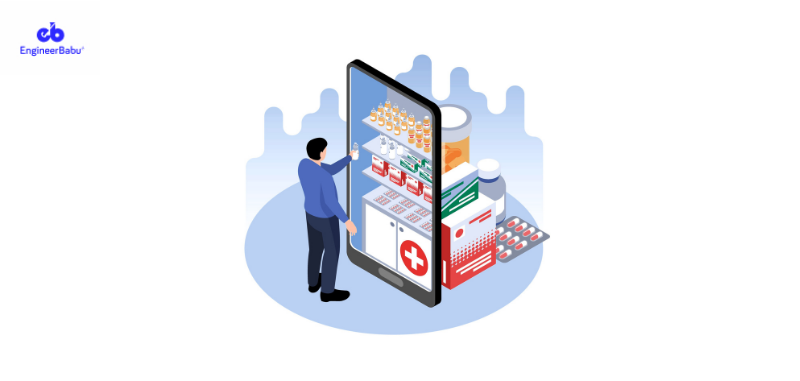
Healthcare is rapidly moving to mobile, and online pharmacy apps are one of the biggest drivers of this shift. According to Research and Markets, the Indian e-pharmacy market is expected to cross 801.34 Million by 2030.
This growth is fueled by increasing smartphone penetration, rising chronic diseases, and consumer demand for convenient access to medicines and diagnostics.
Platforms like PharmEasy have set a new benchmark by combining medicine delivery, prescription management and digital payments into a single, easy-to-use app. For startups and healthcare businesses, this presents a massive opportunity to build scalable, compliance-ready digital pharmacy platforms.
So, if you are exploring How to Create an App Like PharmEasy, it is important to understand the regulatory readiness, backend scalability, and seamless user experience.
This guide breaks down everything you need to know, from core functionality and technology stack to compliance, cost, and development strategy. Let’s jump into it.
PharmEasy is one of India’s largest digital healthcare platforms, built around the idea of making medicine access simple, affordable, and reliable. What started as an online pharmacy has evolved into a full-stack healthcare ecosystem that includes medicine delivery and chronic care support.
At the core of PharmEasy’s ecosystem are three primary stakeholders. Customers use the app to search medicines, upload prescriptions, book lab tests, and track orders.
Partner pharmacies handle medicine fulfillment and inventory. Logistics partners manage last-mile delivery, while the admin system ensures compliance, pricing control, and quality checks across the platform.
What truly differentiates PharmEasy from other pharmacy apps is its integrated healthcare approach. Instead of limiting itself to medicine delivery, it combines affordability, diagnostics, digital health records, and strong supply chain management.
Aggressive discounting, reliable delivery timelines, and a user-friendly experience have helped PharmEasy build trust at scale. For businesses studying How to Create an App Like PharmEasy, this ecosystem-led approach is a key success factor.
The demand for online medicine delivery is growing rapidly, especially in urban and semi-urban regions. A large share of medicine purchases is shifting online due to convenience, transparent pricing, and doorstep delivery.
This shift presents a strong market opportunity for businesses planning to enter or expand within the digital healthcare ecosystem.
To succeed in the competitive e-pharmacy space, your app must go beyond basic medicine ordering. It should deliver a seamless experience for users, pharmacies, delivery partners, and administrators while meeting healthcare compliance standards.
These core features form the functional backbone of any scalable online pharmacy platform.
A smooth onboarding process allows users to sign up using mobile numbers or email and manage personal details securely. Profiles store delivery addresses, prescriptions, and order history, enabling faster repeat purchases. When planning How to Create an App Like PharmEasy, secure user authentication and data privacy should be treated as foundational requirements, not optional features.
Advanced search functionality helps users find medicines quickly using names, categories, or symptoms. Prescription upload enables compliance with regulations for scheduled drugs. The system should support image uploads, validation workflows, and reuse of prescriptions for refills. This feature directly impacts user convenience and trust in the platform.
Users expect complete visibility once an order is placed. This includes order confirmation, pharmacy acceptance, dispatch updates, and delivery status in real time. Notifications via SMS or app alerts keep users informed at every stage. Reliable order tracking plays a major role in retention and overall user satisfaction.
Partner pharmacies need tools to manage inventory, verify prescriptions, accept or reject orders, and update availability in real time. Efficient inventory systems prevent stock issues and delayed deliveries. For businesses exploring How to Create an App Like PharmEasy, this feature is critical for operational scalability and smooth vendor coordination.
Building a successful online pharmacy app requires a structured and compliance-first approach. From market research to post-launch optimization, each stage plays a critical role in ensuring scalability, regulatory readiness, and user trust. Below is a clear step-by-step process followed by most successful e-pharmacy platforms.
The first step involves understanding user needs, competitor offerings, and regional demand patterns. At the same time, businesses must analyze e-pharmacy regulations, prescription rules, and data privacy laws. This phase helps define a realistic scope and reduces legal risks when planning How to Create an App Like PharmEasy.
Once requirements are clear, features are prioritized and user journeys are mapped. Wireframes and UI/UX designs services come into play. They focus on simplicity, accessibility, and trust-building elements. A well-designed user experience reduces drop-offs and ensures users can easily search medicines, upload prescriptions, and complete orders without confusion.
The backend acts as the backbone of the platform, handling user data, orders, inventory, and integrations. Scalable architecture ensures the app can handle high traffic and multiple stakeholders. Secure API development connects mobile apps with pharmacy systems, payment gateways, and third-party services efficiently.
This stage focuses on Android and iOS application development with seamless performance. Developers integrate payment gateways, notification systems, location tracking, and customer support tools. For businesses evaluating How to Create an App Like PharmEasy, stability and speed at this stage directly impact user adoption and app ratings.
Before launch, the app undergoes functional, security, and compliance testing to eliminate risks. After deployment, continuous monitoring, user feedback analysis, and feature enhancements help improve performance. Post-launch optimization ensures the platform remains competitive and aligned with evolving user expectations.
The cost of building an online pharmacy app depends on feature depth, compliance needs, technology choices, and scalability requirements. Businesses can start with a lean MVP development or invest in a full-scale healthcare ecosystem. Understanding these cost components early helps founders plan budgets realistically and avoid scope creep.
An MVP includes core features like medicine search, prescription upload, order placement, and basic admin controls. It is ideal for market validation and early traction. For startups exploring How to Create an App Like PharmEasy, an MVP typically costs less while still meeting compliance and user experience expectations.
A full-scale platform includes advanced features such as diagnostics integration, subscriptions, analytics dashboards, and automation tools. These platforms are built for high traffic and long-term growth. Development costs increase due to complex architecture, deeper integrations, and enhanced security requirements across multiple user panels.
Several variables influence total cost, including number of platforms, third-party integrations, UI complexity, regulatory compliance, and backend scalability. Ongoing costs like maintenance, cloud hosting, and security updates must also be considered. Proper planning ensures cost efficiency without compromising performance or compliance.
Development timelines usually range from a few months for MVPs to longer cycles for enterprise-grade platforms. Businesses evaluating How to Create an App Like PharmEasy can optimize costs by prioritizing features, using modular architecture, and planning phased releases aligned with business goals.
Building a digital pharmacy platform is no longer just about delivering medicines online. It is about creating a trusted, compliant, and scalable healthcare ecosystem that users rely on regularly. From feature planning and compliance to cost estimation and execution, every decision impacts long-term success.
For businesses exploring How to Create an App Like PharmEasy, the real advantage lies in combining strong technology with deep healthcare domain understanding.
With the right development partner, a clear roadmap, and a user-first approach, startups and enterprises can build pharmacy apps that compete effectively in a fast-growing digital health market.
If you are planning to launch or scale an online pharmacy platform, working with an experienced healthcare software development company like EngineerBabu can help you move faster while staying compliant and future-ready.
The development timeline depends on scope and complexity. An MVP version usually takes a few months, while a full-scale platform with diagnostics, subscriptions, and advanced analytics can take longer. Proper planning and phased development help reduce delays.
The cost varies based on features, platforms, compliance needs, and integrations. MVPs are more cost-effective, while enterprise-grade apps require higher investment. Businesses evaluating How to Create an App Like PharmEasy should align budgets with long-term scalability goals.
Yes, e-pharmacy platforms are legal in India when they follow Drug and Cosmetics Act guidelines, prescription validation rules, and data privacy regulations. Compliance should be addressed from the early planning stage.
Startups can compete by focusing on niche markets, faster delivery, better customer experience, or regional specialization. Innovation, trust, and operational efficiency often matter more than size alone.
Healthcare apps require strict compliance, secure architecture, and domain expertise. Partnering with a team experienced in healthcare software development like engineerbabu reduces risk and ensures the platform is built to scale from day one.