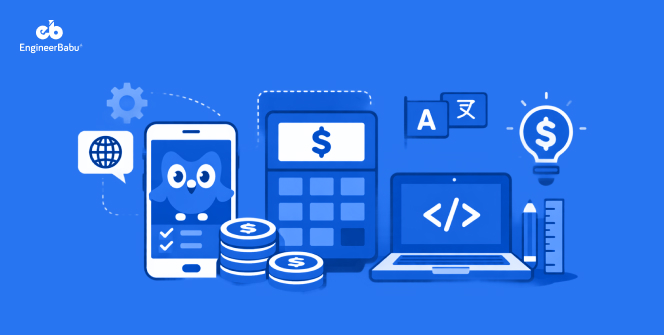
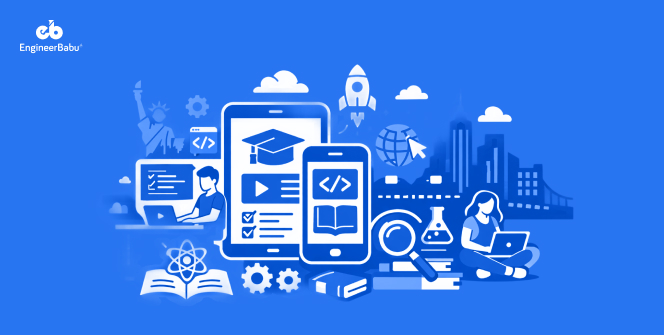
What Is The Cost To Build An App Like Coursera


Create engaging, high-performance mobile applications tailored to your business needs. We craft future-ready apps that offer smooth user experiences on all devices.
Build robust and scalable websites and CMS platforms that help you manage content effortlessly. Our development ensures a seamless digital presence.
Launch secure, feature-rich online stores with intuitive shopping experiences. We build tailored eCommerce platforms designed for growth.
Design captivating games with immersive gameplay and stunning graphics. From concept to launch, we build engaging experiences that players love.
Enhance your customer relationships with customized Salesforce implementations. Drive growth and efficiency with smarter CRM solutions.
Harness artificial intelligence and machine learning to automate workflows and gain actionable insights. Our AI transforms data into smart decisions.
Accelerate your software delivery lifecycle with continuous integration, delivery, and infrastructure automation to boost efficiency.
Hire app developers ready to turn your ideas into sleek, high-performing mobile apps for any platform.
Bring in frontend pros who craft smooth, beautiful, and user-friendly interfaces that your visitors will love.
Get backend developers who build fast, secure, and reliable systems to keep everything running behind the scenes.
Hire eCommerce developers who build secure, scalable online stores designed to offer seamless shopping and grow your sales.
Get dedicated developers committed to your projects, delivering consistent quality and speed as an extension of your team.
Learning has moved far beyond classrooms, and apps like Coursera are leading the way in online education.
Did you know that the global e-learning market is expected to reach over 450 billion dollars by 2026, as per GlobeNewsWire? It’s clear that more people are turning to digital platforms for skill development, whether it’s for career growth or personal curiosity.
If you’ve ever thought about building an app like Coursera, one of the first questions that comes to mind is the cost. Understanding the cost to build an app like Coursera involves looking at features, technology, and the effort required to create a seamless learning experience.
In this guide, we’ll break down the essentials so you get a clear picture before diving into development.
Before diving into numbers, it’s important to understand what really drives the cost to build an app like Coursera. Not every app is the same, and small choices in design, technology, or features can have a big impact on your budget.
Let’s break down the main factors that developers consider when planning a platform like this.
The platform you choose affects both development time and cost. Building a native app for iOS or Android might take more resources, while a cross-platform approach can save time.
Many businesses start with Cross-platform Mobile App Development to cover multiple devices without doubling the budget. The platform choice alone can influence the overall cost to build an app like Coursera significantly.
Features are the heart of any learning platform. A simple course catalog with video streaming costs much less than adding interactive quizzes, gamification, or AI-driven recommendations.
Integrating technologies like AI Development Services for personalized learning can add value but also impact development cost. The more sophisticated the features, the higher the investment.
A smooth, intuitive design keeps learners coming back. Custom animations, detailed dashboards, and responsive layouts make the app more engaging but also increase development hours.
Even minor tweaks in UI/UX can affect the cost to build an app like Coursera, so it’s worth planning carefully before starting development.
The choice of backend and frontend technologies matters. Popular options like Node.js Development Services or third-party API integrations can speed up development but may affect costs.
Your tech stack impacts scalability, security, and long-term maintenance, all of which play into the final budget.
When people talk about the cost to build an app like Coursera, features are usually the biggest factor behind the final number. The more capabilities your platform offers, the more development effort it requires.
A typical e-learning platform includes features for learners, instructors, and administrators, each playing an important role in delivering a smooth online learning experience.
For learners, the platform needs to feel simple and engaging. Core features usually include user registration and login, a course catalog with search and filters, and easy course enrollment. Video streaming is another essential feature since most lessons are delivered through recorded lectures.
Learners also expect progress tracking so they can see how far they’ve come in a course. Ratings and reviews are also common since they help other users choose the right course.
Instructors need practical tools to manage their content and interact with students. A course creation dashboard allows them to upload video lessons, create modules, and organize learning materials.
Quiz and assignment tools are also important for evaluating students. Instructors typically get access to analytics dashboards where they can track enrollments and engagement levels. Messaging or discussion features help them communicate with students and answer questions directly.
The admin panel acts as the control center of the entire platform. Administrators manage users, courses, and payments from one place. They can approve course submissions, monitor platform activity, and review reports.
Many learning platforms also rely on structured integrations built through solutions like API Development to connect payment systems, analytics tools, and other services smoothly. A well-designed admin panel helps keep the platform organized and scalable as it grows.
The technology stack plays a big role in shaping how your platform performs, scales, and evolves over time. When planning the cost to build an app like Coursera, developers carefully choose tools that support video delivery, user management, and large amounts of content.
The right combination of frontend, backend, and infrastructure helps create a smooth learning experience.
The frontend is what users interact with every day. It includes the mobile or web interface where learners browse courses, watch videos, and track progress. Technologies like React Native, Flutter, Swift, or Kotlin are commonly used depending on the platform.
If the app focuses heavily on mobile users, teams often rely on structured approaches such as Android App Development to ensure stable performance and smooth navigation.
The backend handles the core logic of the platform. It manages user accounts, course data, enrollments, and communication between different parts of the system. Frameworks like Node.js, Django, or Ruby on Rails are commonly used to support scalable platforms.
Many large learning platforms rely on architectures built around Node.js Development Services because they can efficiently handle high traffic and real-time interactions.
A learning platform stores large volumes of data, including user profiles, course materials, video content, and progress records. Databases like PostgreSQL, MySQL, or MongoDB are often used depending on the structure of the application.
Storage also needs to support heavy media files, which can influence the cost to build an app like Coursera since video storage and retrieval require reliable infrastructure.
Cloud services help ensure the platform runs smoothly even when thousands of users access it simultaneously. Providers like AWS, Google Cloud, or Azure offer scalable hosting, content delivery networks, and media streaming services.
Cloud infrastructure also supports automated backups and performance monitoring, which are essential when managing a large online learning platform.
Building a learning platform is not a single step process. It usually moves through several development phases, each contributing to the overall cost to build an app like Coursera.
From planning and design to development and testing, every stage requires time, expertise, and coordination between teams to make sure the platform works smoothly for learners and instructors.
This is where everything begins. Teams define the core idea, target users, and feature set for the platform. Product managers and developers work together to outline the technical roadmap and estimate timelines. This stage helps avoid confusion later and ensures the development process stays focused on the essential features of the learning platform.
Once the requirements are clear, designers focus on creating wireframes and user flows. The goal is to make the learning journey simple and intuitive for students and instructors. Course browsing, video playback, and progress tracking all need thoughtful design. Good UI/UX may seem like a small detail, but it directly influences the cost to build an app like Coursera.
This phase is where the platform actually starts taking shape. Developers build the user interface, connect it with the backend, and implement features like course enrollment, video streaming, and dashboards.
Many startups begin by building a simplified version of the platform through approaches like MVP Development to validate the idea before expanding into a full-scale product.
Testing ensures that the platform works as expected across different devices and scenarios. QA teams check everything from video playback to payment processing and user interactions. Bugs, security issues, and performance problems are fixed during this stage to ensure learners have a smooth experience once the app goes live.
After testing, the platform is deployed on production servers and made available to users. However, the process doesn’t end there. Continuous updates, performance monitoring, and feature improvements are necessary to keep the platform competitive. Maintenance is an ongoing cost that companies should consider when estimating the cost to build an app like Coursera.
After understanding the features, technology stack, and development stages, the next logical question is the actual cost to build an app like Coursera. The final budget depends on the scope of the project, the complexity of features, and the development team you choose.
Some businesses start small with a basic platform, while others aim for a fully featured learning ecosystem from day one.
An MVP focuses on the most essential features such as user registration, course browsing, video streaming, and basic progress tracking. This approach helps validate the idea before investing heavily in advanced features.
In most cases, an MVP version of an e-learning platform can cost somewhere between $30,000 and $60,000, depending on the feature set and design complexity.
A complete platform similar to Coursera includes advanced features like instructor dashboards, analytics, certifications, recommendation systems, and scalable infrastructure.
Building a robust ecosystem with these capabilities usually increases the budget significantly. A fully developed platform can cost $80,000 to $150,000 or more, especially when the system is designed to support thousands of users and large video libraries.
Development costs can vary widely depending on where the development team is located. For example, hiring developers in the United States or Western Europe generally costs much more than working with teams in countries like India. The difference in hourly development rates can significantly influence the overall project budget.
Beyond development, there are other expenses that businesses should keep in mind. Hosting and cloud storage for video content, payment gateway fees, content licensing, and marketing campaigns all add to the total investment. These operational costs continue even after the platform launches, so they should be included in long-term planning.
Building a learning platform is not just about writing code. It requires careful planning, scalable architecture, and a clear understanding of how online education platforms work. When you look at the cost to build an app like Coursera, the experience of the development team can make a big difference in both the final product and the development timeline.
A professional company like engineerbabu usually approaches the project by first understanding the learning experience you want to create. From course delivery and user dashboards to secure payment systems and video streaming, every part of the platform needs to work smoothly together.
This is why many companies prefer working with specialists who focus on building scalable learning platforms through dedicated education app development services.
Experienced teams also help avoid common mistakes in early development stages. They can recommend the right technology stack, design an efficient system architecture, and ensure the platform can handle growth as more users join.
Instead of rebuilding features later, businesses can start with a strong technical foundation that supports long term expansion.
Building a learning platform like Coursera is an exciting opportunity, especially as online education continues to grow worldwide. However, the cost to build an app like Coursera depends on many factors such as features, technology stack, design complexity, and development stages.
For startups and businesses entering the e-learning space, starting with a clear roadmap and the right development partner can make the process much smoother. A well-planned platform can evolve from a simple course delivery app into a full learning ecosystem with thousands of users and instructors.
If you are exploring the idea of building an online learning platform, the team at EngineerBabu can help you plan, design, and develop a scalable solution tailored to your business goals.
Getting expert guidance early in the process can help you estimate the real cost to build an app like Coursera and avoid unnecessary development challenges later.
The cost to build an app like Coursera typically ranges between $30,000 and $60,000 for an MVP, while a full featured learning platform can cost $80,000 to $150,000 or more depending on features, design complexity, and technology choices.
A basic MVP version usually takes around 3 to 5 months to develop. A complete platform with advanced features like analytics, certifications, and recommendation systems may take 6 to 12 months depending on the development scope.
Some essential features include user registration, course catalog, video streaming, progress tracking, instructor dashboards, quizzes and assignments, and an admin panel for managing courses and users.
Yes, many startups begin with an MVP version that includes only the core learning features. This allows businesses to test the idea, gather user feedback, and gradually add more features as the platform grows.
The biggest cost factors include the number of features, design complexity, technology stack, development team location, third party integrations, and ongoing maintenance and hosting requirements.