How Much Does It Cost to Build an App in 2026


Create engaging, high-performance mobile applications tailored to your business needs. We craft future-ready apps that offer smooth user experiences on all devices.
Build robust and scalable websites and CMS platforms that help you manage content effortlessly. Our development ensures a seamless digital presence.
Launch secure, feature-rich online stores with intuitive shopping experiences. We build tailored eCommerce platforms designed for growth.
Design captivating games with immersive gameplay and stunning graphics. From concept to launch, we build engaging experiences that players love.
Enhance your customer relationships with customized Salesforce implementations. Drive growth and efficiency with smarter CRM solutions.
Harness artificial intelligence and machine learning to automate workflows and gain actionable insights. Our AI transforms data into smart decisions.
Accelerate your software delivery lifecycle with continuous integration, delivery, and infrastructure automation to boost efficiency.
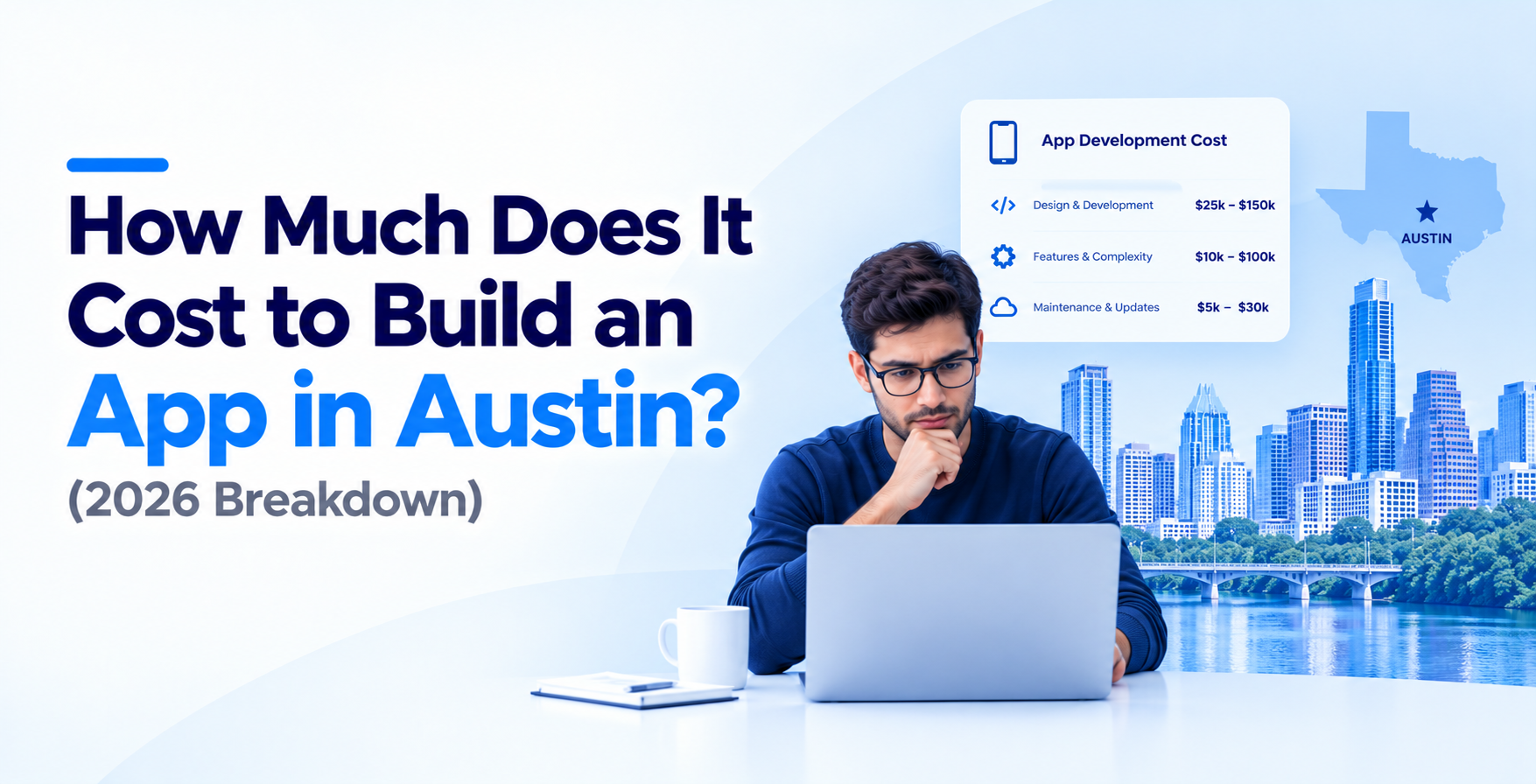
If you have ever tried to figure out how much does it cost to build an app, you already know the answers online are all over the place. Some say ten thousand dollars. Others say two hundred thousand. The truth usually sits somewhere in between, and it depends on what you are actually building.
In 2026, app development is no longer just about coding a few screens. User expectations are higher, security standards are stricter, and scalability is not optional.
According to multiple reports, global mobile app revenue is projected to cross 600 billion dollars, which shows just how competitive and opportunity-driven the app ecosystem has become. That competition directly impacts how much investment is required to build something that truly stands out.
So when someone asks, how much does it cost to build an app, the better question is this. What kind of app are you building, and how far do you want it to grow?
In this guide, we will break down the real cost drivers in 2026 so you can plan smarter, avoid budget surprises, and make confident product decisions from day one.
Before you calculate numbers, you need to understand what actually drives them. In 2026, development is not just about writing code. It is about architecture, scalability, user experience, integrations, and future readiness.
These factors directly influence how much time, expertise, and budget your app will require.
The type of app you are building plays the biggest role in deciding cost. A simple utility app with basic features is far more affordable than a real-time marketplace or fintech platform.
More features mean more screens, deeper backend logic, stronger security, and extensive testing. The complexity of workflows and data handling can quickly multiply development hours.
Are you building for iOS, Android, web, or all three? Native development for each platform usually costs more than a cross-platform approach. However, native apps often deliver better performance and user experience.
Your platform decision significantly affects timelines, team size, and overall budget, especially if you plan to scale across multiple markets.
Design in 2026 is no longer just about looking good. It is about retention, accessibility, and seamless interactions. Custom animations, micro-interactions, and personalized user journeys require additional design and frontend effort.
If your app competes in a crowded market, investing in thoughtful UI/UX design can increase upfront cost but improve long-term user engagement.
Basic features like login, push notifications, and user profiles are standard now. But when you add payments, real-time tracking, chat systems, AI recommendations, or third-party integrations, costs increase.
Every feature requires backend logic, API integration, testing, and maintenance planning. The more advanced the functionality, the higher the development investment.
Many founders underestimate backend costs. A scalable backend involves database design, cloud hosting, API development, and performance optimization.
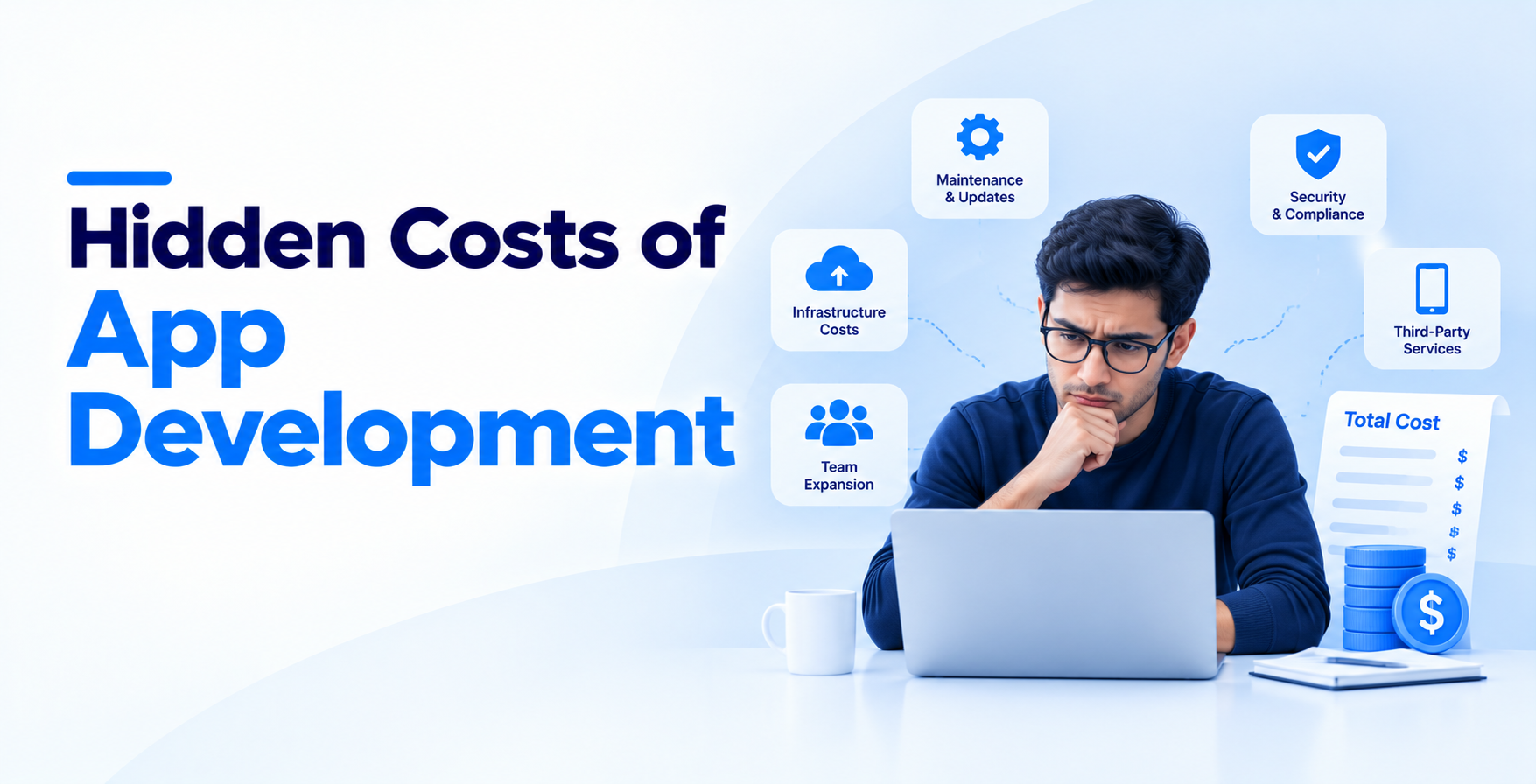
If your app expects high traffic or handles sensitive data, infrastructure planning becomes critical. Building for scale from day one can increase initial costs but saves significant money during future expansion.
Not all apps are created equal, and neither are their costs. The type of app you build directly affects the team, technology, and time required. In 2026, estimating how much does it cost to build an app depends heavily on whether you are creating a basic utility, a mid-level marketplace, or a complex AI-driven product.
Understanding these categories helps you plan your budget more realistically.
Basic apps are typically lightweight and serve simple purposes like calculators, news readers, or company info apps. They usually include standard features such as login, simple navigation, and push notifications.
The development timeline is short, and costs are lower compared to complex apps. If you are looking for mobile app development or a simple interface for your business, a basic app can often be built efficiently without heavy backend or integrations.
Mid-level apps involve more user interactions, data handling, and integrations. Examples include marketplaces, booking platforms, or SaaS tools. These apps often need payment gateways, dashboards, analytics, and third-party APIs.
The cost is higher because both the frontend and backend require more effort. Leveraging Node.js development services can help build scalable backend systems for such apps, keeping timelines reasonable while supporting growth.
Advanced apps in 2026 often include AI recommendations, machine learning algorithms, or enterprise-grade security. They need rigorous compliance, high scalability, and robust backend systems.
Costs are significantly higher due to complexity, integrations, and ongoing maintenance. Using AI development services or ML development services can streamline feature creation, but the overall investment reflects the scale and sophistication required for these high-end applications.
Where you build your app can significantly affect the total investment. Development rates differ widely across regions, and choosing the right location for your team can help balance quality and cost.
In 2026, factors like local talent availability, time zones, and technological expertise play a crucial role in shaping how much does it cost to build an app without compromising quality.
Developers in North America and Europe typically charge higher hourly rates, reflecting experience, quality standards, and market demand. Apps built here often benefit from strong UI/UX practices, strict security, and faster access to cutting-edge technologies.
For complex or enterprise apps, investing in these regions ensures reliability, though it comes at a premium. Outsourcing parts of the backend or APIs can sometimes balance costs while maintaining quality.
India and Southeast Asia offer a cost-effective alternative with highly skilled talent pools. Many startups and enterprises choose these regions for iOS app development or Android app development to save on budget without sacrificing quality.
Teams here are increasingly familiar with modern stacks, cloud services, and scalable architectures, making them ideal for both MVPs and fully-featured products while keeping costs manageable.
Choosing the right engagement model also impacts cost efficiency.
Aligning your model with your project complexity, expected user base (e.g., 50,000 vs 5 million users), and long-term scalability goals ensures you invest wisely without overspending.
By now, one thing should be clear. There is no single number that answers how much an app will cost in 2026. A basic app may fall in a modest range, while a mid-level or advanced product can require a significantly larger investment.
What matters most is planning with clarity instead of guessing early numbers based on surface-level estimates.
When founders ask how much does it cost to build an app, the smartest approach is to align the budget with real business goals, future scalability, and technical complexity from day one. Rushed decisions usually cost more later.
If you are at the idea or planning stage and want a realistic estimate based on your product vision, a quick conversation with the team at EngineerBabu can help you map costs clearly before development begins.
An MVP in 2026 typically costs less than a full-scale product because it focuses only on core features. The exact cost depends on platforms, design depth, and backend requirements, but MVPs are built to validate ideas efficiently.
India continues to offer competitive app development pricing in 2026. Costs are generally lower than Western markets while maintaining strong technical expertise, making it a popular choice for startups and scaling businesses.
AI can do both. It may increase upfront costs when advanced features are involved, but it often reduces long-term development time, manual effort, and operational expenses when implemented thoughtfully.
Timelines vary based on complexity. A simple app may take a few weeks, while a feature-rich or AI-driven app can take several months. Planning and clear requirements significantly reduce delays.
The most accurate estimates come from breaking down features, platforms, and long-term goals. Consulting with an experienced development partner early helps avoid hidden costs and unrealistic expectations later.