How to Create an App Like Cure.fit – A Holistic Wellness Platform


Create engaging, high-performance mobile applications tailored to your business needs. We craft future-ready apps that offer smooth user experiences on all devices.
Build robust and scalable websites and CMS platforms that help you manage content effortlessly. Our development ensures a seamless digital presence.
Launch secure, feature-rich online stores with intuitive shopping experiences. We build tailored eCommerce platforms designed for growth.
Design captivating games with immersive gameplay and stunning graphics. From concept to launch, we build engaging experiences that players love.
Enhance your customer relationships with customized Salesforce implementations. Drive growth and efficiency with smarter CRM solutions.
Harness artificial intelligence and machine learning to automate workflows and gain actionable insights. Our AI transforms data into smart decisions.
Accelerate your software delivery lifecycle with continuous integration, delivery, and infrastructure automation to boost efficiency.
Hire app developers ready to turn your ideas into sleek, high-performing mobile apps for any platform.
Bring in frontend pros who craft smooth, beautiful, and user-friendly interfaces that your visitors will love.
Get backend developers who build fast, secure, and reliable systems to keep everything running behind the scenes.
Hire eCommerce developers who build secure, scalable online stores designed to offer seamless shopping and grow your sales.
Get dedicated developers committed to your projects, delivering consistent quality and speed as an extension of your team.
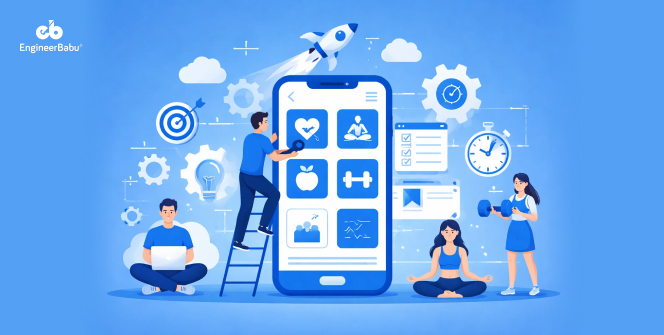
If you look around today, wellness is no longer just about hitting the gym or eating clean for a week. People want everything in one place: workouts, mindfulness, nutrition, and even doctor consultations, all accessible from their phone.
That shift is exactly why platforms like Cure.fit took off and why so many founders are now wondering how to create an app like Cure.fit that actually fits into real life.
The timing could not be better either. The global digital fitness and wellness market is projected to cross USD 400 billion in the next few years. Thanks to mobile-first users who prefer guided, personalized experiences over generic plans.
What makes Cure.fit stand out is not just its features, but how seamlessly it blends physical fitness, mental health, and preventive care into a single ecosystem.
In this guide, we will break down what it really takes to build a holistic wellness app like Cure.fit, from core features to technology decisions.
Before jumping into features or tech, it helps to understand why Cure.fit feels less like an app and more like a daily habit for its users. Instead of treating fitness, food, and mental health as separate problems, Cure.fit connects them into one smooth experience.
You might start your morning with a guided workout, follow it up with a mindfulness session, and later check a meal plan or book a consultation, all without switching platforms.
This ecosystem approach is the real lesson for anyone exploring how to create an app like Cure.fit. The platform is built around consistency and convenience, not quick wins. Each vertical supports the other, which keeps users engaged over the long term.
When wellness fits naturally into someone’s routine, it stops feeling like a task and starts feeling like part of life.
At the heart of any successful wellness platform is how thoughtfully the features come together. When people think about how to create an app like Cure.fit, they are really thinking about building habits, not just shipping functionality.
Below are the core feature groups that make the experience feel complete and human.
A wellness app has to feel personal from day one. Smooth onboarding, simple profile setup, and clear goal selection help users feel understood instead of overwhelmed. Over time, progress tracking and insights make the journey visible, which is essential when figuring out how to create an app like Cure.fit that users actually stick with.
This is where daily engagement happens. Live and on-demand workout sessions, guided meditation, and recovery-focused content give users flexibility based on mood and schedule. Trainer profiles and structured programs add trust, while personalized recommendations quietly guide users without being pushy.
Wellness does not stop after a workout. Thoughtful diet plans, calorie awareness, and access to professional consultations help users connect the dots between food, fitness, and overall health. These features turn the app into a companion rather than a one-time solution.
Consistency is hard, so gentle nudges matter. Reminders, streaks, and small achievements keep motivation alive without pressure. Community challenges and shared goals add a social layer, which plays a big role when learning how to create an app like Cure.fit that feels motivating, not demanding.
Choosing the right technology is where a wellness app really starts to take shape. When thinking about how to create an app like Cure.fit, the stack you pick affects performance, scalability, and the overall user experience.
The right combination makes the difference between an app users love and one they abandon.
The app needs to feel smooth and responsive, especially for live workouts, meditation sessions, and progress tracking. Many developers use cross-platform frameworks to save time, but native builds often provide better performance and stability.
iOS app development and Android app development practices ensure that animations, video streaming, and interactive elements feel natural and fast. A well-built frontend keeps users coming back because the app simply “works” when they need it most.
The backend is the engine that powers schedules, user data, content, and payments behind the scenes. Node.js development services are widely used for their speed, efficiency, and ability to handle many users at once.
Structured API development connects the mobile app with dashboards, third-party integrations, and analytics seamlessly. A solid backend ensures that the app can grow without slowing down or breaking under load.
Personalization is what makes a wellness app feel human and tailored. Machine learning development services can analyze user habits, progress, and preferences to suggest workouts, meals, or meditation routines.
Advanced AI development services can further adapt content dynamically, such as creating customized plans for each user automatically. This technology keeps engagement high because users feel the app understands their journey without them having to explain it.
Cloud infrastructure ensures that video content, user metrics, and analytics scale safely and reliably. Integrations with payment gateways, streaming services, and analytics platforms allow the app to operate smoothly at scale. Secure databases protect sensitive health data, which is critical for user trust.
Overall, this layer is essential for building an app like Cure.fit that can expand as its user base grows without technical hiccups.
Building a holistic wellness app can feel overwhelming, but breaking it down into clear steps makes it manageable. When thinking about how to create an app like Cure.fit, the journey is more about planning and execution than flashy features.
Each step builds a strong foundation for a product people actually enjoy using. Here’s a practical roadmap.
Before writing a single line of code, it’s important to understand what users want and what competitors are doing. This helps identify gaps in the wellness market and spot opportunities for innovation.
Look at existing apps, their engagement strategies, and user feedback to inform your own design decisions. The insights here directly shape the features, design, and user flow of your app.
Start small with a minimum viable product that delivers core value without overwhelming users. Decide which features are essential for workouts, nutrition, or mindfulness, and leave optional extras for later updates.
MVP development services can help streamline this process and ensure your app launches faster without compromising quality. A focused MVP also makes it easier to gather user feedback early.
Picking the right technologies is crucial to building a stable and scalable app. For example, Node.js development services can power the backend efficiently, while mobile app development frameworks ensure smooth frontend performance.
Integrating secure APIs connects various modules like video streaming, payments, and analytics seamlessly. The right stack reduces technical debt and keeps future updates manageable.
Building in iterative cycles allows you to adapt to user feedback quickly. Regular testing for bugs, performance, and UX ensures the app feels polished and reliable. This approach also helps in prioritizing new features based on real user needs.
By staying agile, your team can deliver a wellness app that grows with its users instead of stagnating.
Launching isn’t the end, it’s just the beginning of engagement and retention. Prepare app store listings, marketing campaigns, and onboarding tutorials to make the first impression smooth.
Post-launch support ensures bugs are fixed, features are optimized, and users stay motivated. Continuous updates are key when learning how to create an app like Cure.fit that users rely on daily.
The cost of building a holistic wellness app depends on features, platform choice, design complexity, and technology stack. Developing core modules like workouts, nutrition plans, meditation guides, and live streaming increases effort, while AI-driven personalization adds additional investment.
An MVP-focused approach can save costs initially, whereas a full-featured launch requires a higher budget. On average, startups should plan for design, development, backend infrastructure, third-party integrations, and ongoing maintenance to get a realistic estimate of building an app like Cure.fit.
Building a holistic wellness app is not just about coding features; it’s about creating a daily companion that genuinely helps users lead healthier lives.
From workouts to meditation, nutrition, and personalized recommendations, every element matters when thinking about how to create an app like Cure.fit.
Careful planning, the right technology stack, and user-centric design make the difference between an app that users love and one that gets forgotten.
If you’re ready to turn your wellness app idea into reality, EngineerBabu can help with full-cycle development, including healthcare software development services, to make your app scalable, secure, and engaging.
The timeline depends on the features, platform, and complexity of AI or personalization elements. On average, an MVP can take 4–6 months, while a full-featured app may take 8–12 months. Efficient planning and agile development can help speed up the process without compromising quality.
Most wellness apps target both iOS and Android to reach a wider audience. Cross-platform frameworks or native iOS app development and Android app development can ensure smooth performance and consistent UX. Mobile app development decisions should also consider long-term scalability.
AI and machine learning are not mandatory but greatly enhance personalization. Features like workout recommendations, diet plans, and meditation schedules become smarter over time, keeping users engaged. Leveraging AI development services can automate these experiences effectively.
Cost depends on features, technology stack, integrations, and design complexity. Developing an MVP is more budget-friendly, while a full-featured app with live sessions, AI personalization, and analytics requires a higher investment. Ongoing maintenance and scaling should also be factored in.
User retention comes from consistency, motivation, and personalization. Push notifications, progress tracking, gamification, and AI-driven content all help keep users engaged. Focusing on creating a seamless daily routine experience makes the app a habit rather than a task.